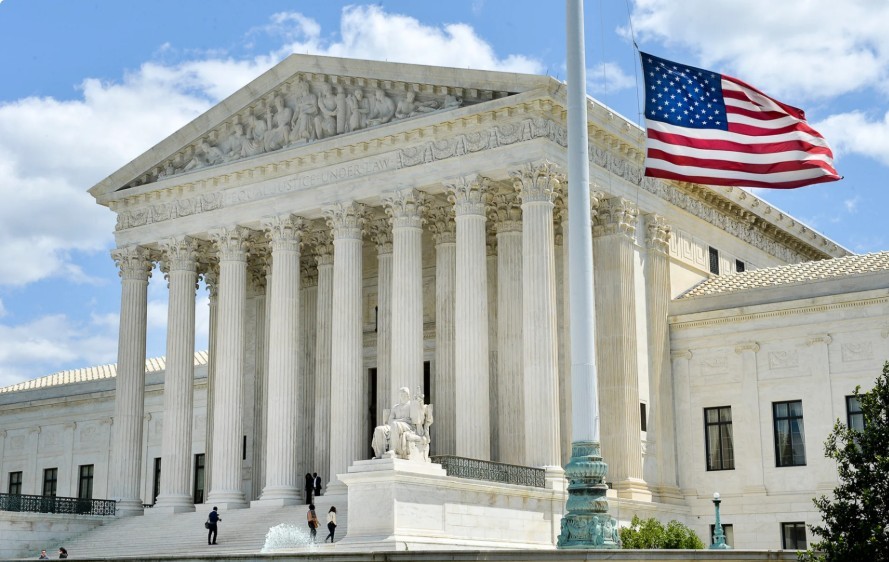
On February 20, 2026, the landscape of U.S. trade policy shifted sharply when the U.S. Supreme Court invalidated several broad tariff measures that had been imposed by the administration under emergency powers. The ruling concluded that the government lacked the legal authority to impose sweeping tariffs under the International Emergency Economic Powers Act (IEEPA) — throwing the prior tariff regime into disarray.
Feb 21–23, 2026: Policy reaction and confusion
In response to the court decision, the White House quickly moved to re-establish tariff controls using a different legal authority: Section 122 of the Trade Act of 1974.
President Donald Trump announced a new global tariff, initially saying it would be 10% and later stating on social media his intention to raise it to 15%, though no formal order crystallizing the higher rate was yet signed before implementation.
Feb 24, 2026: New tariff takes effect
At midnight on February 24, U.S. Customs and Border Protection (CBP) began collecting a new 10% ad valorem tariff on imported goods that are not exempted under specific trade agreements or categories.
The tariff was introduced as a temporary measure valid for up to 150 days under Section 122 authority.
Legal and Administrative context
The Supreme Court’s decision to strike down the broader tariff policy meant that older duties — which ranged up to 50% on some products — were immediately halted.
The government is now operating under a distinct statutory framework that allows temporary duties without prior congressional approval but carries strict time limits.
Global and Trade partner reaction
The European Union and other trade partners are grappling with uncertainty following the reset in U.S. tariff policy. Brussels acknowledged a transitional period while awaiting clarity on the tariff regime’s future evolution.
China’s Commerce Ministry publicly urged the U.S. to abandon unilateral tariffs and suggested readiness to resume trade talks, though specifics of any negotiations remain unclear.
Economic impacts and market signals
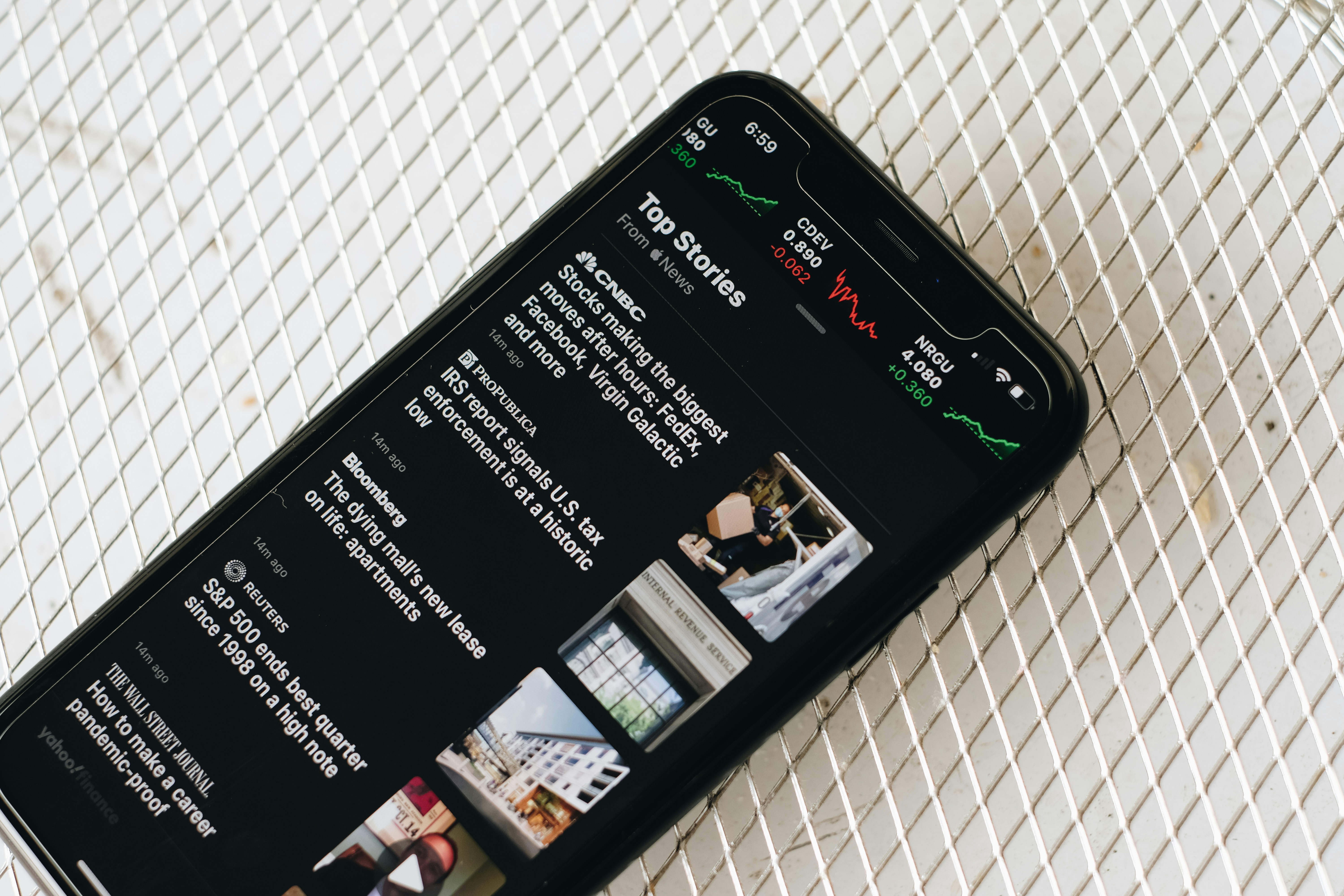
Traders initially reacted to tariff uncertainty with volatility in global markets, though major U.S. stock indexes ultimately ended higher on the same day the tariffs took effect.
Some analysts and development banks have since noted that the economic impact of the new tariffs — at 10% — may be “much lower than expected,” at least for some regions and sectors.
What comes next
The administration has expressed intent to elevate the tariff rate up to 15%, but no formal enactment had been published by February 24. Any future rise to 15% would require new official directives before CBP can enforce it.
The temporary 10% tariff will remain in place for up to 150 days, after which congressional approval would be needed to extend or make it permanent.
A legally mandated change and rapid policy response have resulted in a temporary 10% global import tariff on most goods entering the United States, replacing previously struck-down duties. The measure is meant to provide continuity in U.S. trade defence instruments but has introduced fresh uncertainty for international markets and trade relationships.
Popular Posts


Explore Topics


Comments