
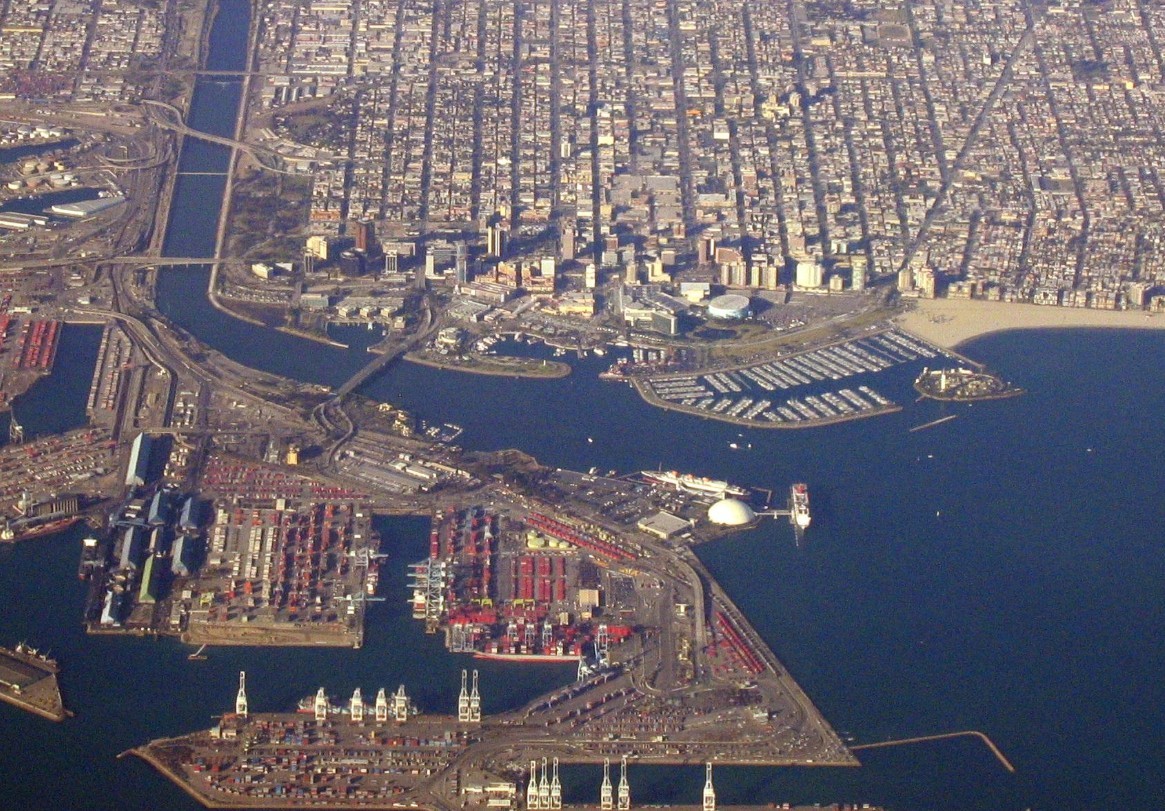
The Port of Long Beach reported another decline in cargo throughput in April 2026 as the ongoing Strait of Hormuz crisis continued to disrupt global trade flows, increase shipping costs, and weaken importer confidence. The slowdown reflects the growing impact of geopolitical instability on containerized trade, particularly across Asia–U.S. routes.
Long Beach handled lower year-on-year cargo volumes in April amid reduced import demand, elevated bunker fuel costs, and uncertainty across global supply chains. The downturn comes despite the traditional peak shipping preparation season approaching in the United States.
The weakness in cargo movement is closely tied to the continuing disruption in the Strait of Hormuz, one of the world’s most important maritime chokepoints. Nearly 20% of global seaborne crude oil trade normally passes through the strait, making any disruption immediately visible across freight, energy, and logistics markets.
Major shipping lines and logistics providers have already warned of higher operational costs linked to Middle East instability. Carriers are increasingly forced to reroute vessels, pay higher war-risk insurance premiums, and absorb fuel surcharges caused by volatile crude prices. Reuters reported that container shipping groups such as Maersk remain cautious about fully resuming normal Hormuz operations despite ceasefire discussions earlier this year.
The Hormuz disruption has also triggered a sharp increase in cargo diversions globally. Earlier industry data showed container shipping diversions rising by 360% as operators sought alternative routes to avoid Gulf-related risks. Extended transit times and vessel repositioning have added further pressure on already fragile supply chains.
Import demand in the United States is also weakening because retailers remain cautious about inventory buildup amid inflationary pressure and uncertain consumer spending.
The broader energy market disruption remains severe. BIMCO data previously showed global seaborne crude oil shipments falling by 16% since the beginning of the Iran conflict, while vessel movements through Hormuz continue below normal averages. Several tanker operators have also adopted “dark fleet” navigation practices by limiting AIS transmissions in high-risk waters.
For U.S. West Coast ports such as Long Beach, the combination of weaker Asian exports, higher freight costs, and geopolitical uncertainty is creating sustained pressure on throughput volumes. Analysts warn that unless stability returns to Gulf shipping lanes, supply chain disruptions could continue affecting port activity, freight markets, and global trade patterns well into the second half of 2026.
Popular Posts


Explore Topics


Comments