
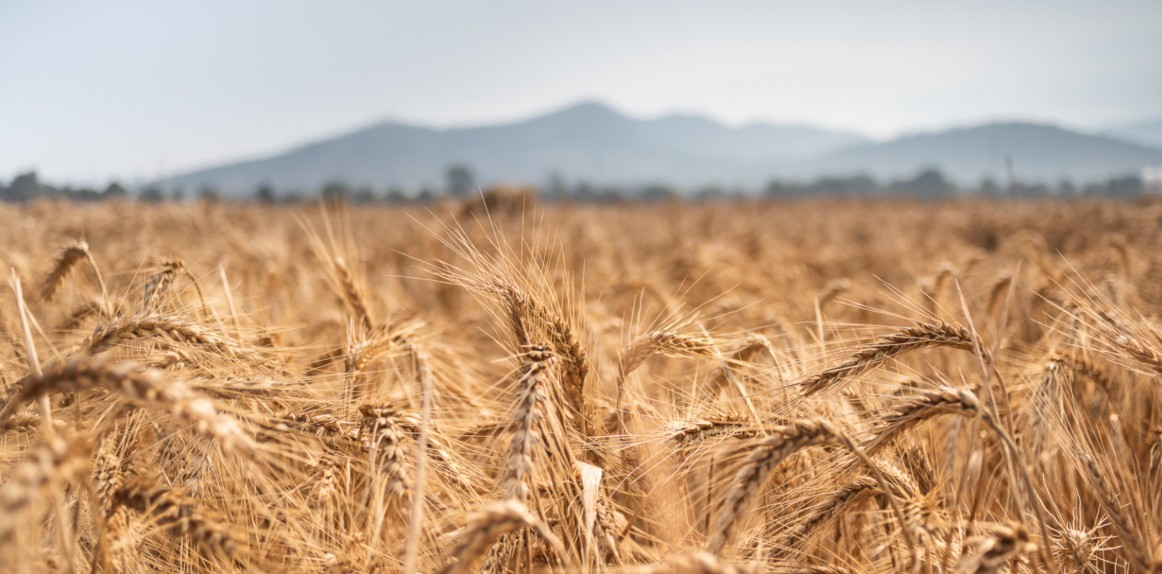
The Directorate General of Foreign Trade (DGFT) has announced a partial relaxation in India’s wheat export restrictions by permitting export of an additional 25 Lakh Metric Tonnes (LMT) of wheat under a controlled framework.
According to Notification No. 13/2026-27, the export policy status for wheat under HS Codes:
10011900 – Durum Wheat: Other
10019910 – Wheat
continues to remain “Prohibited”. However, the government has introduced a special additional policy condition allowing export of 25 LMT wheat, with operational modalities to be issued separately through a DGFT Public Notice.
The latest amendment comes as a calibrated easing of restrictions originally imposed through DGFT Notification No. 06/2015-2020 dated 13 May 2022, when India had banned wheat exports to protect domestic food security and control inflation following global commodity disruptions.
Government-to-government exports remain allowed
The notification further clarified that the earlier exemption mechanism introduced in 2022 will continue to remain applicable.
Under this provision, wheat exports can still be permitted by the Government of India to other countries based on:
Food security requirements
Diplomatic considerations
Requests received from foreign governments
These government-approved exports will be allowed over and above the newly permitted additional 25 LMT quota.
Strong global demand expected
Global wheat buyers are expected to closely monitor the upcoming DGFT Public Notice, as Indian wheat remains competitive across several markets in:
Middle East
Africa
South Asia
Southeast Asia
The policy shift comes at a time when global grain markets continue facing volatility due to weather disruptions, geopolitical tensions and supply chain uncertainty across major exporting regions.
Impact on ports and logistics
The additional wheat export window is expected to generate fresh bulk cargo movement at Indian ports handling agri-commodity shipments, particularly:
Kandla
Mundra
Vizag
Paradip
Kolkata
Shipping and logistics sectors may witness increased demand for:
Bulk vessel chartering
Rail transportation
Inland grain evacuation
Warehousing
Port handling operations
Industry participants believe the controlled export relaxation reflects improved domestic wheat availability while allowing India to maintain flexibility in supporting international food security requirements through government-backed trade channels.
Popular Posts


Explore Topics



Comments