
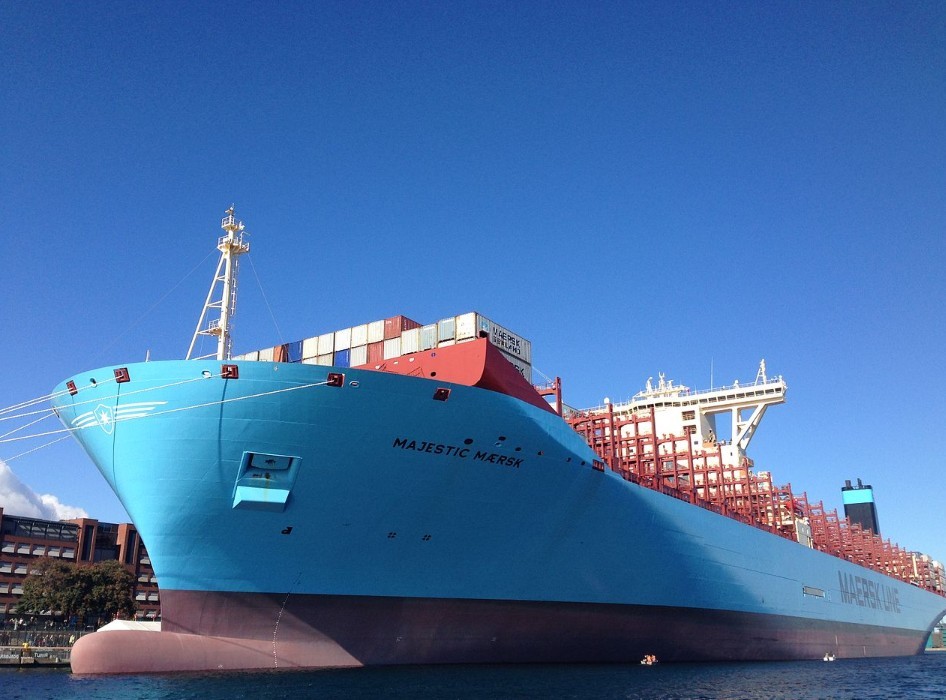
Global shipping major Maersk has significantly altered its Middle East operations as the ongoing Strait of Hormuz crisis continues disrupting regional shipping, port connectivity and supply chains across the Gulf.
According to multiple operational advisories issued by Maersk during March and April 2026, the company temporarily suspended cargo booking acceptance for several Gulf destinations including UAE, Kuwait, Qatar, Bahrain, Iraq and parts of Saudi Arabia due to escalating security risks and operational uncertainty in the region.
The company also suspended selected shipping services connecting the Middle East with Europe and Asia, while rerouting several vessel rotations away from high-risk maritime corridors including the Strait of Hormuz and parts of the Red Sea.
Maersk advisories highlighted that insurers had either reduced or withdrawn war-risk coverage for vessels operating in the Gulf, Gulf of Oman and Red Sea regions, forcing carriers to adopt emergency routing measures and impose additional freight surcharges.
Shift toward multimodal land-bridge logistics
To maintain essential cargo movement, Maersk increasingly shifted toward multimodal “land-bridge” operations using alternative regional gateways.
Cargo has been diverted through:
Salalah and Sohar in Oman
Jeddah in Saudi Arabia
Khor Fakkan in UAE
followed by bonded overland trucking into Gulf destinations including UAE, Saudi Arabia, Qatar, Bahrain and Kuwait.
The company stated that food products, medicines and essential cargoes were being prioritized through these alternative corridors amid continued maritime disruption. Jeddah reportedly witnessed a sharp rise in cargo movement after the implementation of these emergency logistics arrangements.
Vessel delays and contingency planning increase
Maersk also published vessel contingency updates showing multiple services being rerouted, delayed or placed under temporary storage arrangements as vessels avoided direct Gulf transits. Ships operating under ME11, AE2 and other regional services experienced major schedule disruptions and revised ETAs.
The company introduced several emergency cargo handling options including:
Temporary storage-in-transit
Return-to-origin arrangements
Change of destination solutions
along with Strait of Hormuz Emergency Freight surcharges and additional storage costs for containers stranded in affected regions.
Port operations remain volatile
While several Gulf ports remain operational, Maersk warned that conditions continue to remain highly volatile due to missile threats, drone attacks and military escalation across the region.
In one major incident, Maersk temporarily halted operations at Oman’s Salalah port following a security event that damaged terminal infrastructure and forced temporary evacuation of the facility.
Rising costs impacting global shipping
The Middle East crisis has also sharply increased operating costs for global carriers. Maersk stated that the ongoing conflict added nearly $500 million in monthly fuel-related costs due to higher bunker prices, rerouting expenses and operational inefficiencies.
Industry analysts say the current situation is reshaping traditional shipping patterns across the Middle East, with carriers increasingly depending on alternative multimodal corridors and regional transshipment hubs to maintain cargo continuity amid one of the most severe maritime disruptions in recent years.
Popular Posts


Explore Topics



Comments