
Hormuz tanker war escalates as US disables more Iranian ships amid growing maritime blockade
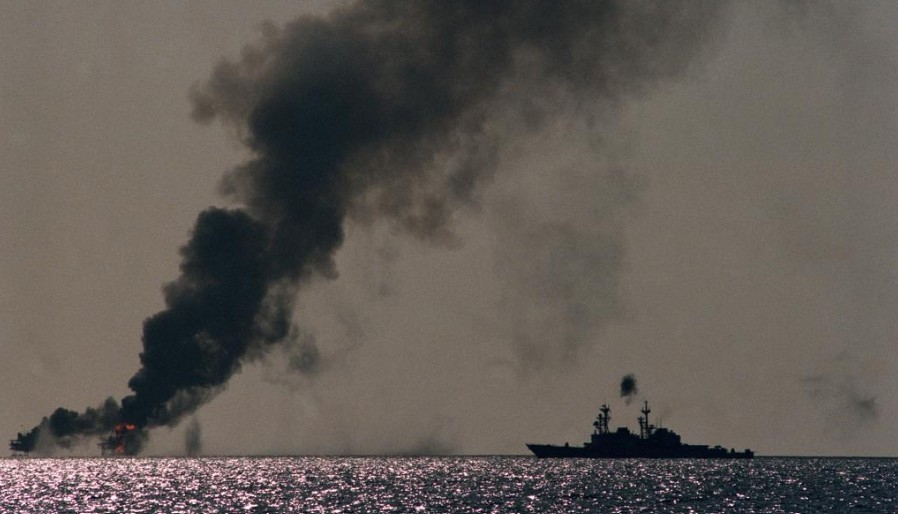
The maritime confrontation in the Strait of Hormuz is rapidly turning into one of the most serious tanker security crises in recent decades after the United States reportedly disabled two additional Iranian-linked oil tankers in the Gulf of Oman. According to U.S. Central Command, the vessels M/T Sea Star III and M/T Sevda were targeted while allegedly attempting to enter Iranian ports in violation of the ongoing American naval blockade.
The latest action increases the total number of Iranian vessels reportedly attacked, disabled, intercepted, or seized by U.S. forces since the blockade began in April 2026. Open-source tracking and military statements now indicate at least four Iranian-linked commercial vessels have been directly disabled by U.S. operations, including M/T Hasna, M/T Sea Star III, M/T Sevda, and the cargo vessel Touska. Additional tankers including Tifani and Majestic X were reportedly intercepted during enforcement operations targeting Iranian oil movements.
The escalation highlights how commercial shipping has become central to the broader geopolitical confrontation between Washington and Tehran.
Unlike traditional naval conflicts focused mainly on warships, the current Hormuz crisis is increasingly targeting commercial energy supply chains, shadow fleet operations, and sanctioned oil transport networks. Tankers moving near Iranian ports now face inspections, diversion risks, drone surveillance, and potential military action as enforcement intensifies across the Gulf of Oman and Strait of Hormuz.
The blockade itself has already disrupted dozens of vessels. CENTCOM recently stated that more than 58 ships have either been redirected, intercepted, or prevented from reaching Iranian ports since enforcement operations began. U.S. officials claim around 70 tankers are currently affected by the restrictions surrounding Iranian export terminals.
Iran has also retaliated during the crisis.
Reports indicate Iran seized multiple international commercial ships near Hormuz earlier in the confrontation, including the Liberia-flagged MSC Francesca and Panama-flagged Epaminodes. Several merchant ships have additionally reported drone attacks, fires, missile threats, or operational disruption while transiting through the region.
The maritime risk picture is becoming increasingly dangerous for global shipping companies.
War-risk insurance premiums for Gulf voyages have risen sharply, tanker owners are rerouting vessels, and many operators are now demanding military escort protection before transiting through Hormuz. India has already deployed naval escorts for some fuel shipments moving through the Gulf of Oman region.
What makes the current situation especially significant is the scale of energy trade flowing through the Strait of Hormuz. Roughly one-fifth of global oil trade normally passes through the corridor, making it one of the world’s most important maritime chokepoints. Any sustained escalation involving commercial tankers immediately impacts freight rates, bunker costs, energy prices, and supply chain reliability worldwide.
Shipping analysts now fear the crisis may enter a new phase where smaller tanker operators and shadow fleet vessels become primary targets during enforcement operations. Industry observers also warn that prolonged disruption could reshape global tanker routing patterns, increase dependence on alternative export corridors, and accelerate consolidation among major tanker operators able to manage extreme geopolitical risk.
For the global maritime industry, the Hormuz tanker conflict is no longer a temporary regional disturbance. It is increasingly becoming a full-scale commercial shipping security crisis with long-term implications for global oil logistics, marine insurance markets, and international trade stability.
Popular Posts


Explore Topics



Comments