
Hormuz disruption triggers multi-commodity shock as India rewires fertilizer and energy supply chains
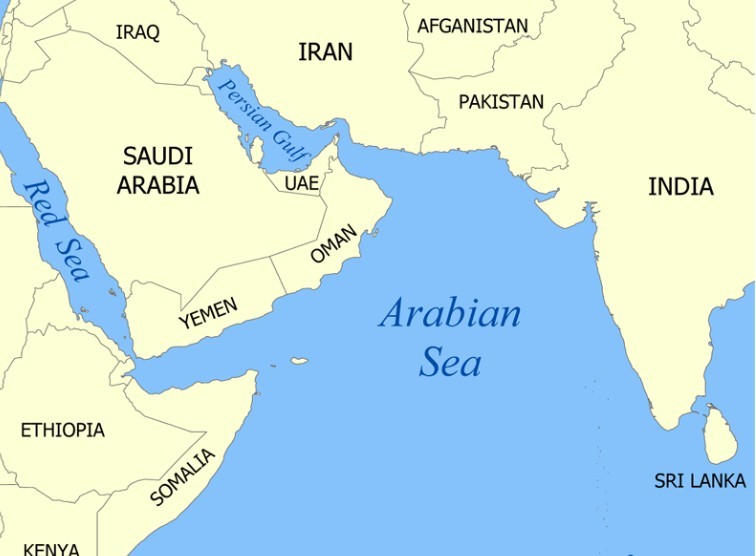
The ongoing West Asia conflict has triggered a structural disruption in global trade flows, with the Strait of Hormuz effectively choked, impacting not just fertilizers but energy, chemicals, agri cargo and containerized trade.
Tanker traffic through Hormuz has dropped sharply, with over 150 vessels anchored and transit falling near zero at peak disruption, directly affecting nearly 20% of global oil and gas flows.
For fertilizers, the impact is deeper. The region accounts for ~44% of global urea exports, 27% ammonia and 47% sulphur trade, making supply chains highly vulnerable. India, the world’s largest urea importer, is now shifting sourcing to Russia, Morocco, Belarus and China to secure kharif demand.
Cross-commodity disruption:
LNG flows disrupted, impacting fertilizer production and industrial fuel supply
LPG consumption in India down 17% YoY due to delayed cargoes and stranded vessels
Oil prices crossing $100–150/bbl range amid supply shock
Sulphur supply (≈45% Gulf share) disrupted, affecting fertilizers, chemicals and metal processing
Shipping has entered a high-risk phase, with container rates rising up to 4x on Gulf routes, cargo rerouting, and severe delays across ports.
Operational impact on logistics:
Transit times extended by 7–15 days due to rerouting via Cape of Good Hope
Vessel waiting time increasing due to congestion and war-risk clearance
Freight and insurance costs sharply elevated
Bulk and agri exports facing shipment uncertainty
Strategic shift underway:
India diversifying fertilizer sourcing beyond Gulf dependence
Increased spot procurement of LNG and alternate fuels
Inventory build-up to cushion supply shocks
Exploration of non-traditional trade corridors and payment mechanisms
Future risks :
Fertilizer prices already surging globally, with spikes up to 100–150% in some markets
Global food production at risk, with potential yield drops up to 50% if supply tightens further
Prolonged disruption could trigger inflation and commodity shortages across Asia
The crisis is no longer limited to fertilizers—it is evolving into a multi-commodity logistics shock, forcing India and global markets to permanently rethink sourcing, routing and supply chain resilience.
Popular Posts

Explore Topics



Comments