
Gulf container flow disruption: Hapag-Lloyd outlines alternative routing amid escalating conflict
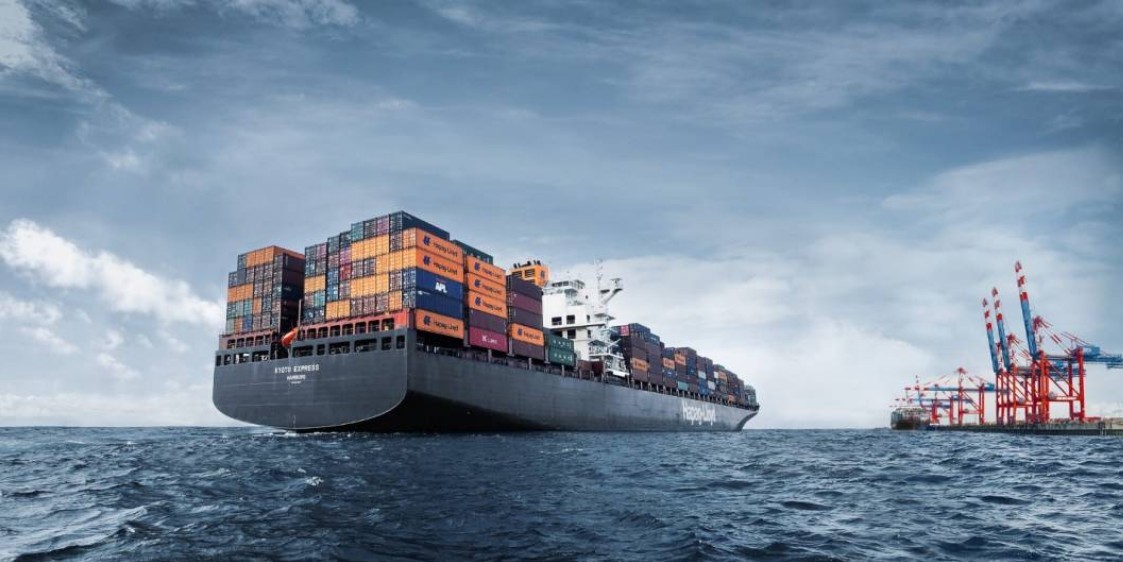
The ongoing security crisis in the Strait of Hormuz has forced global carriers to rethink cargo movement across the Gulf, with Hapag-Lloyd issuing a detailed update on alternative container flow options for customers.
According to the latest advisory, the carrier is enabling flexible container handling and inland routing solutions to manage disruptions in Gulf operations. These include adjustments in container pickup, inland depot (ICD) handling, and first-mile trucking to maintain cargo flow despite restricted vessel movement.
However, the broader situation remains highly unstable. Hapag-Lloyd has already suspended transits through the Strait of Hormuz, introduced booking restrictions, and warned of schedule disruptions, delayed cargo, and changing port rotations.
To manage risk exposure, the carrier has also implemented a war risk surcharge of around $1,500 per TEU, reflecting the elevated operational and insurance costs in the region.
With Gulf shipping activity reportedly operating at a fraction of normal levels and vessels being held in safe waters, container logistics is shifting from predictable liner schedules to contingency-driven operations.
Container shipping in the Gulf is no longer port-driven—it is becoming inland and contingency-driven, where ICDs, trucking, and flexible routing are replacing traditional port-to-port reliability.
Source
Hapag-Lloyd official update:
https://www.hapag-lloyd.com/en/services-information/news/2026/03/here-s-an-update-about-container-flow-options-in-the-gulf-region.html
Popular Posts

Explore Topics


Comments