
GPS spoofing crisis in the Strait of Hormuz: how electronic warfare is disrupting global shipping navigation
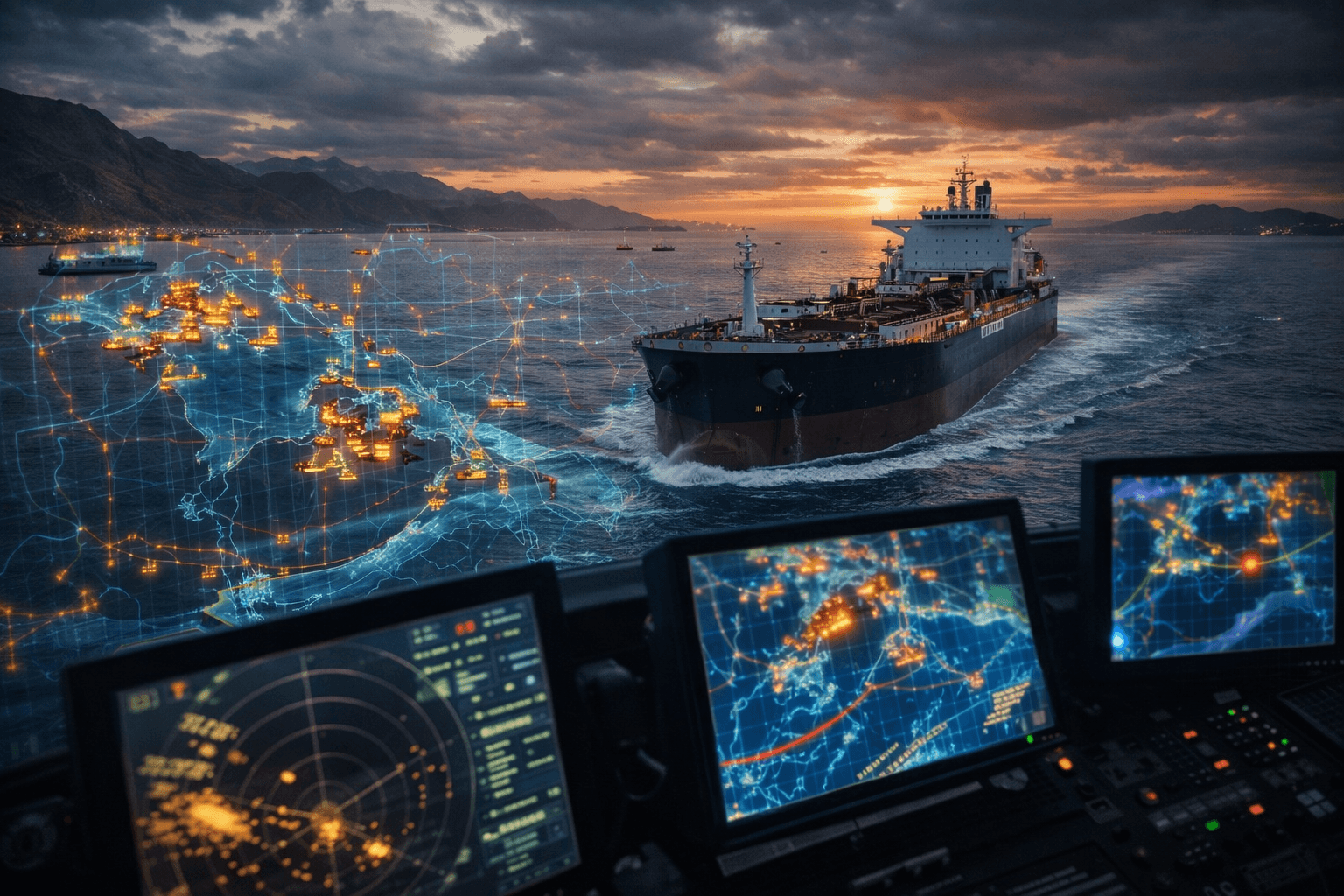
Electronic warfare has become one of the most disruptive operational risks for commercial shipping in the Strait of Hormuz. Alongside missile attacks and drone strikes, large-scale GPS spoofing and GNSS signal interference are now affecting vessel navigation systems across the Persian Gulf and Gulf of Oman.
Scale of the navigation disruption- Recent maritime intelligence reports show that the scale of electronic interference has expanded rapidly since the escalation of the Iran conflict in late February 2026.
More than 1,100 commercial vessels experienced GPS disruption across the Middle East within days of the conflict escalation.
By early March, maritime monitoring platforms detected over 1,650 ships affected by GPS or AIS interference, a 55% increase within a single week.
At least 655 cargo-carrying ships have recorded more than 1,700 GNSS interference incidents across the Gulf region.
The disruptions are concentrated around critical maritime corridors including the Strait of Hormuz, Gulf of Oman, and major Gulf export terminals, creating serious risks for tanker and container traffic.
How GPS spoofing works in maritime navigation
Commercial ships rely heavily on Global Navigation Satellite Systems (GNSS) such as GPS, GLONASS, and Galileo for positioning, navigation, and timing.
In a GNSS spoofing attack, counterfeit satellite signals are broadcast to trick a ship’s receiver into calculating a false position.
Unlike traditional signal jamming, which blocks navigation signals entirely, spoofing is more dangerous because the vessel believes the data is genuine.
Typical spoofing patterns reported by ships in the Gulf include:
Vessels suddenly appearing dozens of miles inland on navigation displays
Ship tracks forming circular or zig-zag patterns on AIS monitoring systems
Multiple ships being clustered at the same false coordinates
In some cases, vessels have appeared on tracking systems at airports, power plants, or inland locations, even though they were still at sea.
Impact on AIS and traffic monitoring systems
Most merchant vessels also transmit location data through the Automatic Identification System (AIS), which is used for collision avoidance and vessel traffic monitoring.
When GNSS signals are manipulated or jammed, AIS broadcasts incorrect coordinates, creating a chain reaction across maritime tracking systems.
Consequences observed during the Hormuz crisis include:
Ship tracking platforms showing hundreds of vessels clustered in identical locations
False navigation alerts triggered on Electronic Chart Display and Information Systems (ECDIS)
Increased risk of ship-to-ship collision in congested traffic lanes
Electronic interference has already been detected in more than 30 signal jamming clusters across the Gulf region, including areas near Saudi Arabia, Kuwait, Oman, and the United Arab Emirates.
Operational challenges for ship crews
For ship crews navigating through the Strait of Hormuz, electronic navigation disruption creates serious operational challenges.
Bridge teams must increasingly rely on traditional navigation methods such as:
Radar plotting
Visual bearings
Gyro compass and dead reckoning
Cross-checking AIS data with radar targets
These manual procedures are slower and require constant monitoring, especially in narrow shipping corridors where large oil tankers and container ships operate close together.
Maritime authorities and insurers have already warned that persistent electronic interference increases the probability of accidents and compliance violations in the region.
Electronic warfare and maritime strategy
Analysts believe GPS spoofing in the Gulf is part of a broader electronic warfare strategy designed to disrupt maritime operations without direct attacks on ships.
The tactics serve several strategic purposes:
Disrupting vessel navigation without firing weapons
Complicating surveillance and ship tracking systems
Increasing insurance risk and operational costs for shipping companies
At the same time, the crisis is unfolding alongside physical attacks on shipping and a sharp reduction in tanker traffic through the Strait of Hormuz.
Implications for global shipping
The Strait of Hormuz is one of the world’s most critical energy corridors, handling a large share of global oil and LNG shipments. As electronic interference spreads across the region, the reliability of satellite navigation—once considered a cornerstone of modern maritime operations—is being questioned.
For shipping companies, the GPS spoofing crisis highlights a growing reality:
future maritime conflicts may target navigation systems and digital infrastructure as much as ships themselves.
Until the electronic interference subsides, vessels operating in the Gulf must navigate not only geopolitical tensions but also the invisible threat of disrupted navigation signals.
Popular Posts

Explore Topics


Comments