
The ongoing security crisis in the Middle East has begun to impact commercial shipping routes and freight pricing across global trade lanes. In response to these developments, the Federal Maritime Commission (FMC) issued a formal statement on 11 March 2026 addressing surcharges related to shipping through the Strait of Hormuz. The statement reflects growing concern among regulators and industry participants about how conflict-related disruptions could affect freight costs, contractual obligations, and the stability of maritime supply chains.
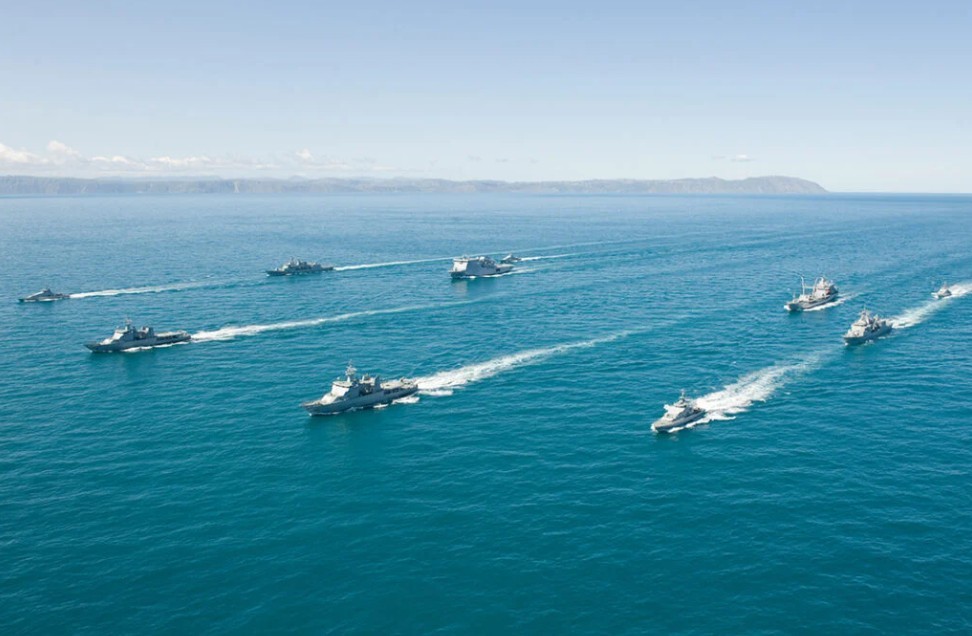
Recent conflict in the region has already caused severe disruption to maritime traffic. Several shipping lines have paused transits through the Strait of Hormuz, while vessels wait offshore or divert to alternative routes due to safety concerns. More than 170 vessels have reportedly been positioned around the strait amid security uncertainty, highlighting the operational disruption to global shipping flows.
Rising surcharges and cost pressures
As geopolitical tensions rise, ocean carriers often introduce new charges to compensate for higher operational costs. These may include emergency fuel surcharges, war-risk premiums, or security surcharges linked to the risk of operating in conflict zones.
Many carriers have already begun announcing emergency fuel surcharges and other cost-recovery fees as bunker fuel prices rise and vessels are forced to reroute around dangerous waters.
These surcharges can significantly increase freight costs for exporters and importers, particularly for cargo moving to and from the Middle East.
However, the FMC emphasized that shipping companies cannot impose such charges arbitrarily. Under the regulatory framework governing international ocean shipping, carriers must follow specific procedures before implementing tariff changes or additional fees.
The role of the Federal Maritime Commission
The Federal Maritime Commission is responsible for regulating the U.S. international ocean transportation system and ensuring fair competition within the maritime industry. In its recent statement, the agency confirmed that it is closely monitoring the impact of the Middle East conflict on shipping conditions and carrier pricing practices.
Under the Shipping Act and related regulations, carriers must generally provide at least 30 days’ notice before implementing new tariff charges that increase costs for shippers.
This rule is intended to ensure transparency and prevent sudden or unfair price increases in international shipping markets.
In emergency situations, carriers may request a Special Permission (SP) from the FMC to shorten this notice period. If approved, the commission can allow a surcharge to take effect sooner than the standard 30-day waiting period.
The FMC also warned that any tariff charge must be properly published and in effect at the time cargo is received by the carrier. Charges applied outside these requirements may not be legally enforceable.
What shippers need to watch
The commission’s statement also served as a reminder to cargo owners and freight forwarders to closely review their shipping contracts and tariff conditions.
If a service contract incorporates a carrier’s published tariff, any additional charges—including surcharges related to security risks—must comply with regulatory filing requirements and effective-date rules.
The FMC further noted that disputes related to service contract terms must generally be resolved through legal action unless parties have agreed to alternative dispute resolution mechanisms.
For shippers, this means carefully reviewing freight invoices and contractual terms before accepting new charges introduced by carriers during the current crisis.
Impact on the maritime industry
The FMC statement reflects a broader shift occurring across global shipping markets as geopolitical tensions reshape trade routes. Maritime operators are facing multiple operational challenges, including:
increased war-risk insurance premiums
higher bunker fuel prices
vessel rerouting and longer transit times
congestion near alternative ports and anchorages
As these pressures intensify, freight costs are likely to rise across multiple trade lanes, not just those directly connected to the Middle East.
In essence, the FMC’s statement is both a regulatory warning and a guidance note to the maritime industry. While the commission recognizes that geopolitical disruptions can justify temporary cost adjustments, it has made clear that carriers must still comply with the legal framework governing international ocean shipping.
For shipping companies, the message is clear: emergency surcharges must be properly filed, justified, and implemented within regulatory limits. For shippers, the statement serves as a reminder to remain vigilant about contractual terms and pricing transparency during periods of global instability.
The conflict-driven disruptions around the Strait of Hormuz highlight the fragile balance between geopolitics and global trade logistics. As shipping companies respond to rising risks with new surcharges and operational adjustments, regulators such as the Federal Maritime Commission are stepping in to ensure that market practices remain transparent and fair.
In the coming weeks, much will depend on how the situation in the Middle East evolves. If tensions escalate further, maritime freight markets could experience additional volatility. For now, the FMC’s intervention underscores the importance of regulatory oversight in maintaining stability in the global ocean transportation system.
Popular Posts


Explore Topics



Comments