
Crude oil prices surge amid geopolitical tensions shipping lines to increase bunker surcharge
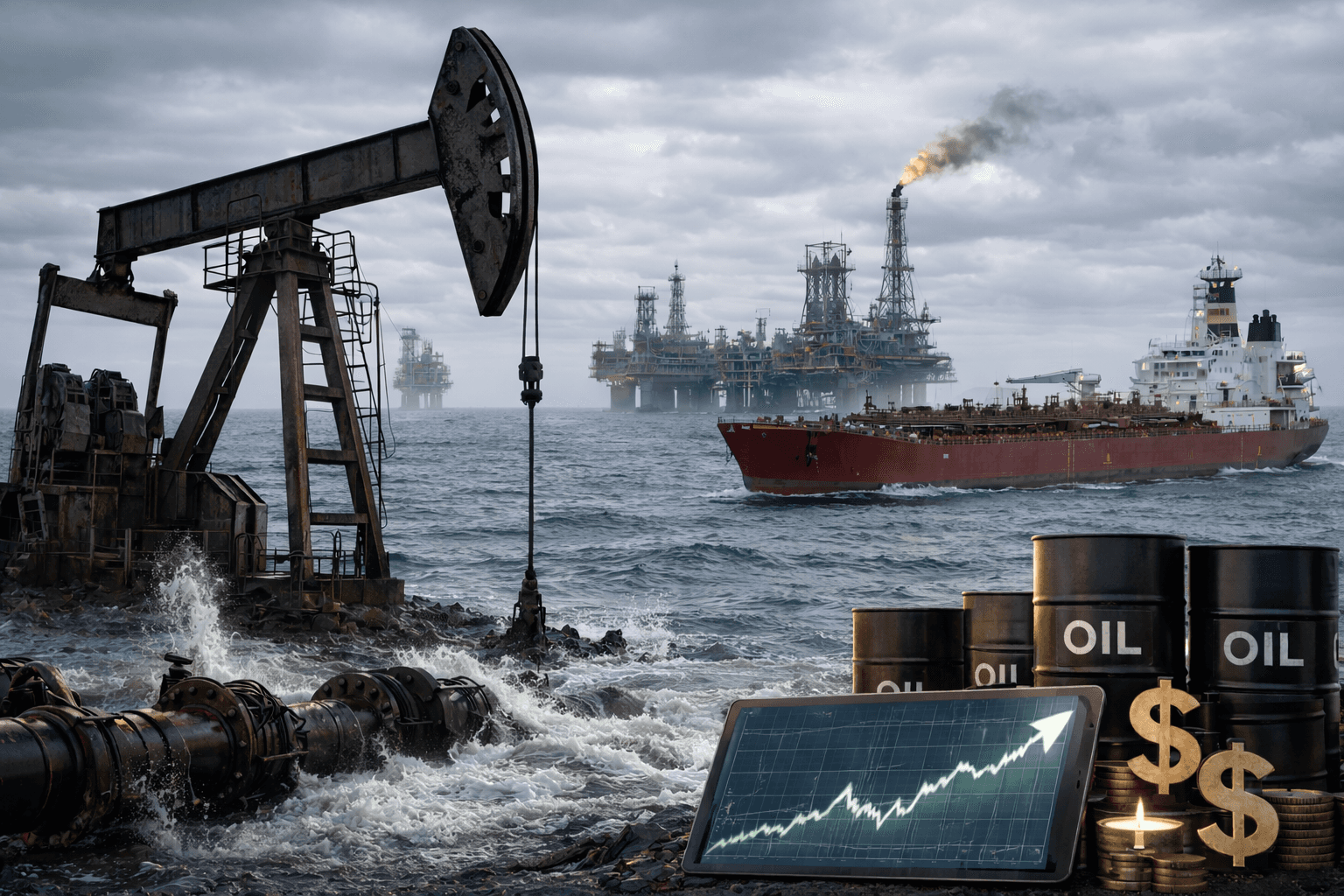
Global crude oil prices have experienced sharp volatility over the past 10 days, driven mainly by escalating geopolitical tensions in the Middle East and disruptions to key energy supply routes.
As of 10 March 2026, Brent crude is trading around $88–$92 per barrel, after briefly touching levels near $119 per barrel earlier this week, the highest level in several years.
Ten days ago, Brent crude was trading close to $82–$85 per barrel, meaning prices surged sharply within a short period before correcting slightly.
The spike was largely triggered by the ongoing Middle East conflict and disruptions in the Strait of Hormuz, a strategic route that handles roughly 20% of global oil shipments. Any threat to this corridor immediately impacts global supply expectations and pushes prices higher.
At the peak of the crisis, Brent crude briefly crossed $119 per barrel, before retreating after signals that diplomatic negotiations could reduce supply risks.
Despite the recent correction, crude oil prices remain significantly higher than levels seen earlier in the year, reflecting ongoing uncertainty in global energy markets and the risk of further supply disruptions.
Energy analysts warn that if tensions persist or shipping routes remain disrupted, crude oil could again test the $100+ per barrel range, with potential inflationary impacts for oil-importing economies such as India.
Shipping lines apply the Bunker Adjustment Factor (BAF) to compensate for fluctuations in marine fuel prices. Since bunker fuel represents a major portion of vessel operating costs, carriers revise this surcharge periodically to reflect changes in global oil prices.
Most major container shipping lines calculate BAF using fuel price indices, trade lane distance, and vessel fuel consumption. The surcharge is usually reviewed monthly or quarterly and applied as a separate line item on freight invoices.
In recent years, shipping companies have also introduced transparent BAF formulas following the IMO 2020 low-sulphur fuel regulations. These formulas allow customers to estimate surcharges based on published fuel benchmarks.
Popular Posts


Explore Topics


Comments