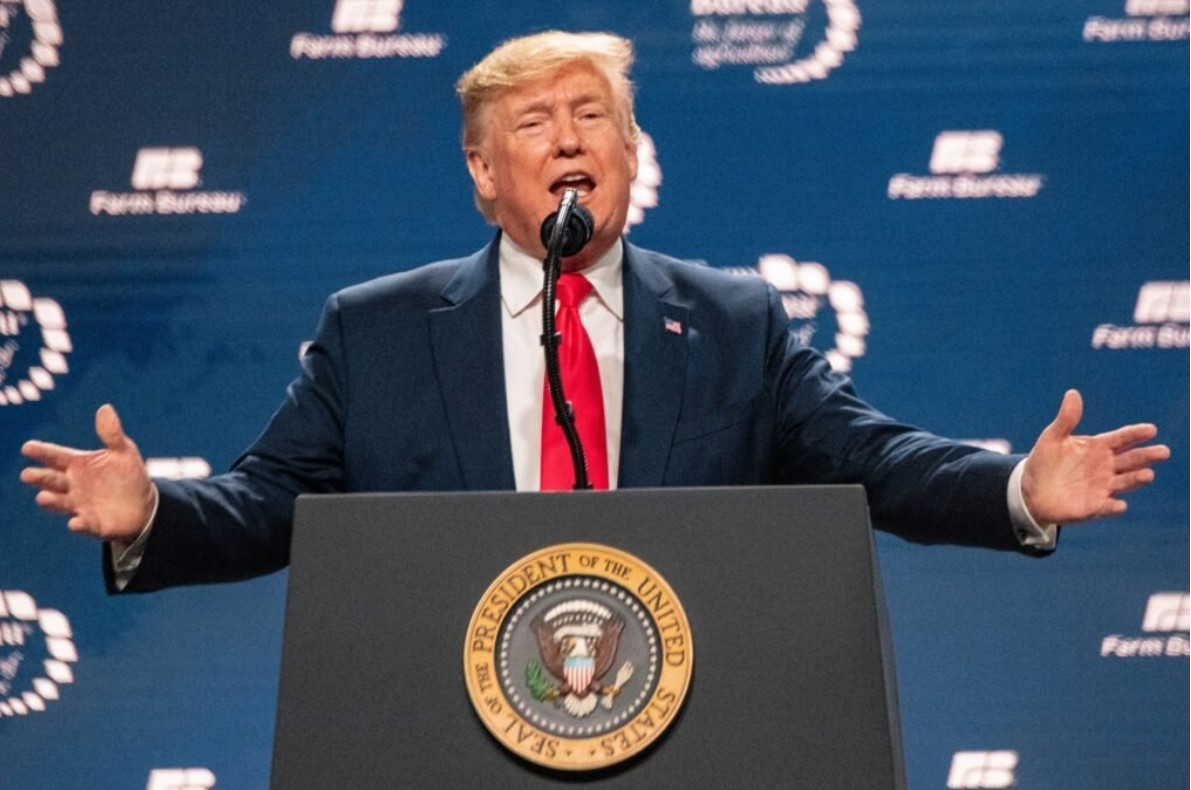
Recently on 17th January 2026, President Donald Trump announced that the United States will impose a 10% tariff on imports from eight European nations that have taken positions contrary to his efforts to gain control of Greenland.
Trump declared via a social media post that Denmark, Norway, Sweden, France, Germany, the United Kingdom, the Netherlands, and Finland will face the tariff, affecting “any and all goods sent to the United States of America.” The implementation date of 10% tariff is from February 1, 2026.
The tariff will increase to 25% on June 1, 2026 if these countries have not agreed to Trump’s demand for the “Complete and Total purchase of Greenland.”
Trump framed the policy as a measure to protect “global peace and security,” asserting that strategic rivals like China and Russia also have designs on Greenland’s resources.
Why Greenland matters to the U.S.
Greenland is a semi-autonomous territory of Denmark with a strategic geographic location between North America and Europe. Trump has long argued that Greenland is essential for U.S. national security and access to critical minerals. But his efforts to acquire the island, including suggesting military options in recent public statements, have alarmed NATO allies and prompted an unprecedented diplomatic spat.
European reaction
European leaders reacted forcefully
Denmark, Greenland’s sovereign nation, has repeatedly rejected any sale, asserting that the island’s destiny is for its own people to decide.
UK Prime Minister Keir Starmer called the tariff threat “completely wrong”, saying the future of Greenland should be decided by Greenlanders and the Danes, not forced by economic coercion.
Across Europe, diplomats warned that punitive tariffs on long-standing allies could seriously damage transatlantic cooperation and NATO unity.
Backlash in the United States
The announcement has also drawn criticism from within the USA
A bipartisan group of U.S. lawmakers travelled to Copenhagen, emphasizing that most Americans do not support forceful control of a NATO ally and underscoring the importance of Greenland’s sovereignty.
Economic and Geopolitical Impacts
The tariffs threaten to disrupt some of the world’s largest trade flows.
If the dispute deepens, it could:
Undermine ongoing USA - EU trade negotiations
Strain cooperation on defence and security matters
Trigger broader economic volatility in markets tied to European exports
Popular Posts


Explore Topics



Comments