
Three Indian Seafarers Killed Near Oman: Why Maritime Safety Must Remain a Global Priority
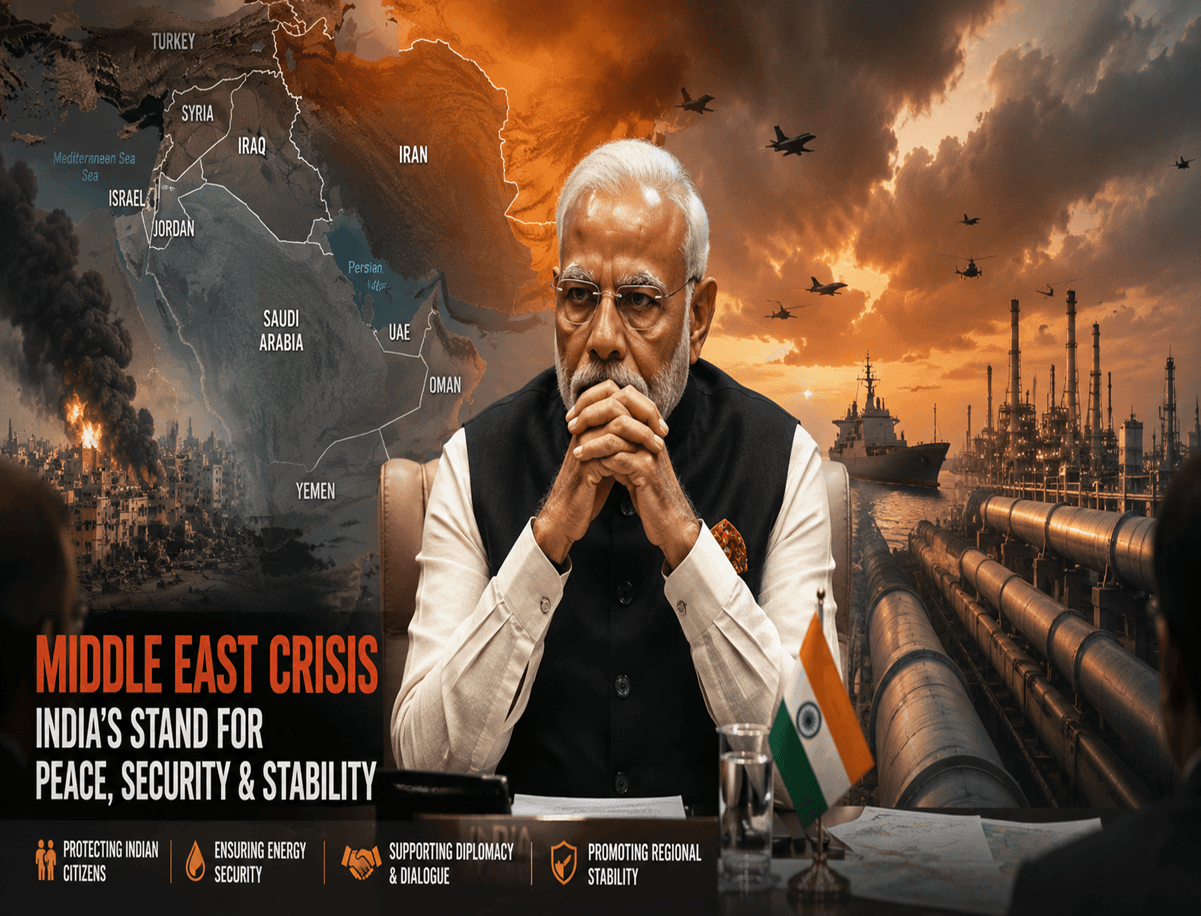
The deaths of Indian seafarers near the Oman coast have once again highlighted an uncomfortable reality of global trade. While nations pursue strategic objectives and military operations, it is often ordinary merchant sailors who pay the highest price.
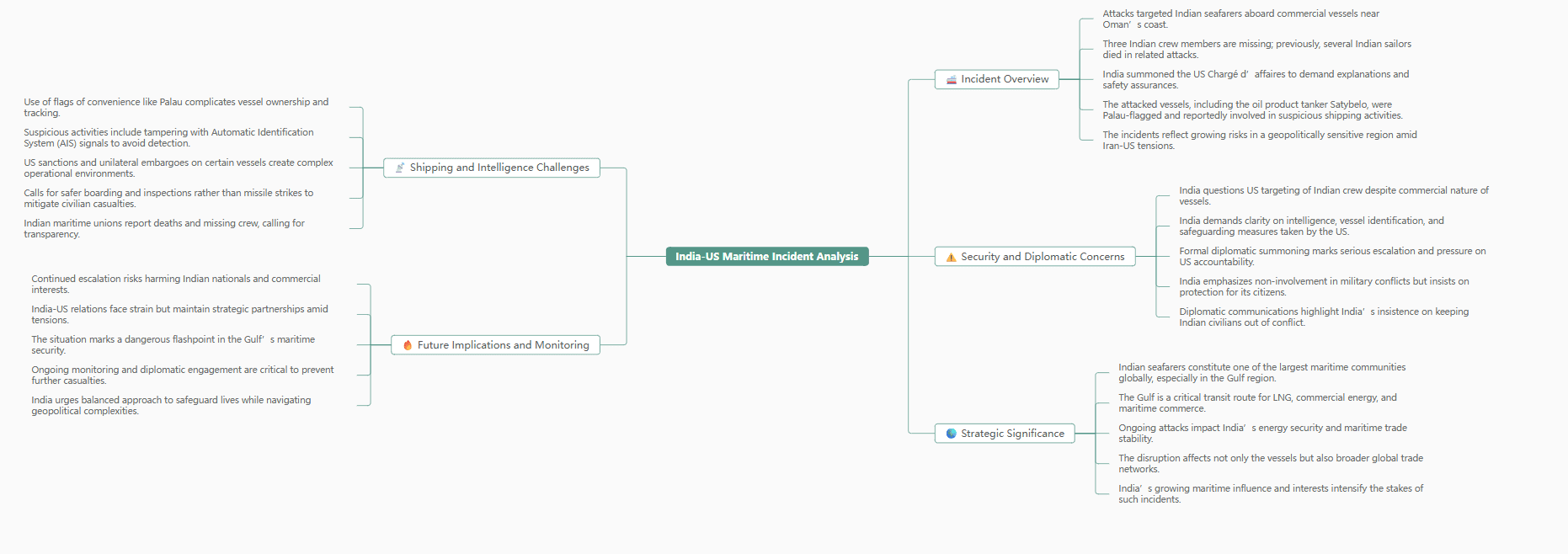
According to reports, three Indian crew members lost their lives following an incident involving the tanker MT Settebello near Oman. The vessel carried Indian sailors who were performing their professional duties in one of the world's most sensitive maritime corridors. For their families, this is not a geopolitical debate—it is a personal tragedy that has changed their lives forever.
India's decision to summon the US Charge D’Affaires reflects the seriousness of the situation. New Delhi is seeking answers regarding the circumstances of the attack, the intelligence behind the operation, and the measures taken to protect civilian crew members. These are legitimate questions that any responsible government must ask when its citizens are harmed.
The issue extends beyond a single vessel. Indian seafarers form one of the largest maritime workforces in the world and are present on thousands of commercial ships operating across international waters. Whether transporting crude oil, LNG, manufactured goods, or essential commodities, Indian sailors are a critical pillar of global trade.
This means that every escalation in the Gulf region carries a direct risk for India. Disruptions to commercial shipping not only threaten lives but also affect energy security, supply chains, freight costs, and international commerce. The consequences are felt far beyond the conflict zone.
What makes this situation particularly concerning is the growing pattern of attacks, interceptions, and military actions involving commercial vessels operating in strategic waterways. Merchant ships are not warships. Their crews are not combatants. Any military operation involving commercial shipping must place civilian safety at the highest level of priority.
India's position should remain clear and firm. The country is not a participant in these conflicts, yet Indian citizens continue to face the consequences. New Delhi has every right to demand transparency, accountability, and stronger safeguards to ensure that Indian sailors are not placed in harm's way.
The international community must also recognize a broader truth. Global trade depends on the courage and professionalism of merchant seafarers. They keep energy flowing, industries running, and economies connected. Their safety cannot become an afterthought in geopolitical rivalries.
The loss of three Indian sailors is a reminder that behind every shipping statistic is a human life, a family, and a future. As tensions continue to rise across key maritime routes, protecting civilian seafarers must become a global priority rather than a diplomatic talking point.
India's message should be simple: strategic interests may differ, but the lives of innocent civilian sailors must never become collateral damage.
Popular Posts


Explore Topics



Comments