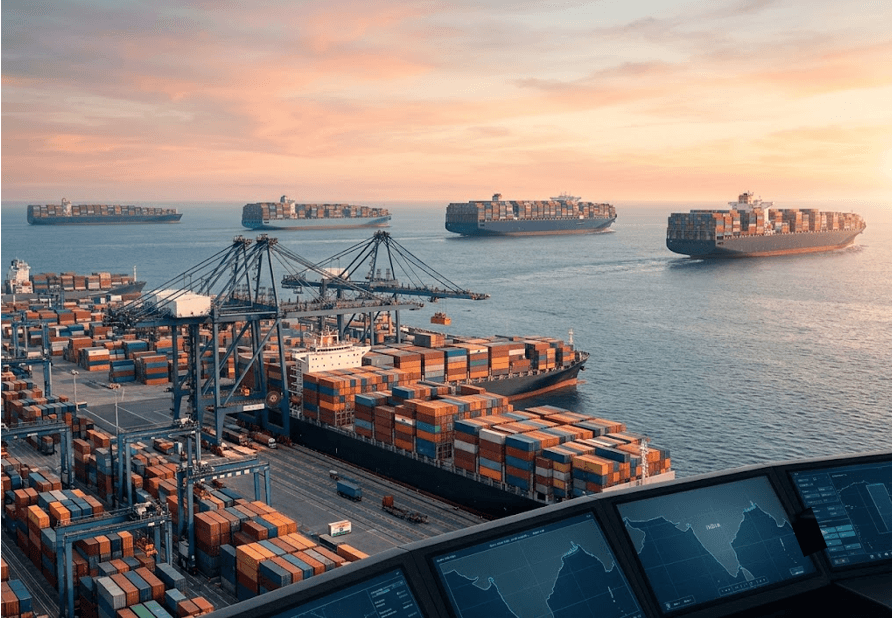
Strait of Hormuz Shipping Update: Only 5 Vessels Crossed Today Against Pre-Crisis Average of 60

250 ships waiting, freight up 260%: Inside the current Strait of Hormuz shipping crisis
The Strait of Hormuz remains one of the world's most closely watched maritime chokepoints, with commercial shipping continuing under severe operational constraints despite ongoing diplomatic efforts aimed at restoring stability. While limited vessel movements have resumed, the latest operational data indicates that traffic remains far below normal levels, keeping global energy and shipping markets on edge.
As of 27 June 2026, only five commercial vessels have successfully transited the Strait of Hormuz during the day. Before the crisis, the waterway handled an average of around 60 vessel transits every day, highlighting the scale of disruption that continues to affect maritime trade.
The queue of vessels waiting for safe passage has continued to grow. Around 250 merchant ships are currently positioned north of the Strait awaiting transit clearance. The waiting fleet consists of 120 oil and product tankers, 80 bulk carriers, and 50 vessels from other shipping segments, including general cargo and container vessels. Many shipowners continue to delay departures until security conditions improve, while others have instructed vessels to remain at anchorage to minimise operational risk.
The impact on tanker economics has been equally significant. Very Large Crude Carrier (VLCC) spot freight rates are currently running at approximately 260% of pre-crisis levels, reflecting reduced vessel availability, longer waiting times and the higher risk associated with Gulf voyages. Charterers moving crude from the Arabian Gulf are facing substantially higher transportation costs compared with normal market conditions.
Insurance costs have also increased sharply. War-risk premiums now stand at around 2% of the cargo's FOB value, compared with approximately 0.15% before the crisis. For high-value crude oil cargoes, this represents a dramatic increase in voyage costs, forcing traders, refiners and shipowners to reassess shipment economics before confirming Gulf liftings.
The Strait of Hormuz remains critical to global energy security. The narrow waterway serves as the primary export route for crude oil, petroleum products and liquefied natural gas from the Arabian Gulf. Under normal conditions, roughly one-fifth of global oil consumption and nearly one-quarter of LNG trade move through this corridor, making even small reductions in vessel traffic capable of influencing freight markets, refinery planning and global energy prices.
Recent diplomatic developments have offered cautious optimism but have yet to restore commercial confidence. High-level negotiations held in Bürgenstock, Switzerland, on 21–22 June produced a roadmap aimed at achieving a comprehensive peace agreement within the next 60 days. The discussions included commitments to establish direct communication channels, coordinate de-mining operations in the Strait of Hormuz and strengthen ceasefire monitoring mechanisms in Lebanon.
However, developments on the ground continue to undermine progress. On 26 June, an IRGC drone attack targeted a commercial cargo vessel, triggering retaliatory military strikes by the United States and raising fresh concerns about the durability of the ceasefire process. At the same time, Iran has indicated that it intends to resume collecting transit fees once the current 60-day suspension expires, introducing another layer of uncertainty for commercial shipping.
Shipping companies continue to operate in an environment where security conditions can change within hours. Voyage planning now involves continuous risk assessments, revised routing strategies, enhanced crew security measures and close coordination with naval advisories. Several operators are also factoring in the possibility of prolonged waiting periods before entering the Gulf, leading to lower fleet utilisation and tighter vessel availability in global tanker markets.
Beyond freight and insurance, the disruption has affected supply chain planning across energy-importing nations. Longer transit delays, uncertain sailing schedules and elevated transportation costs are forcing refiners and commodity traders to maintain larger inventory buffers while closely monitoring geopolitical developments.
Although diplomatic engagement continues, commercial shipping has yet to return to normal operating conditions. With only five vessel transits recorded today compared with the historical average of around sixty, hundreds of vessels still awaiting passage, freight rates more than doubling and war-risk insurance remaining elevated, the Strait of Hormuz continues to operate under one of the most challenging maritime environments in recent years. Until a durable peace agreement is implemented and confidence is restored among shipowners, insurers and charterers, vessel movements through the world's most strategic energy corridor are expected to remain well below pre-crisis levels.
Popular Posts


Explore Topics



Comments