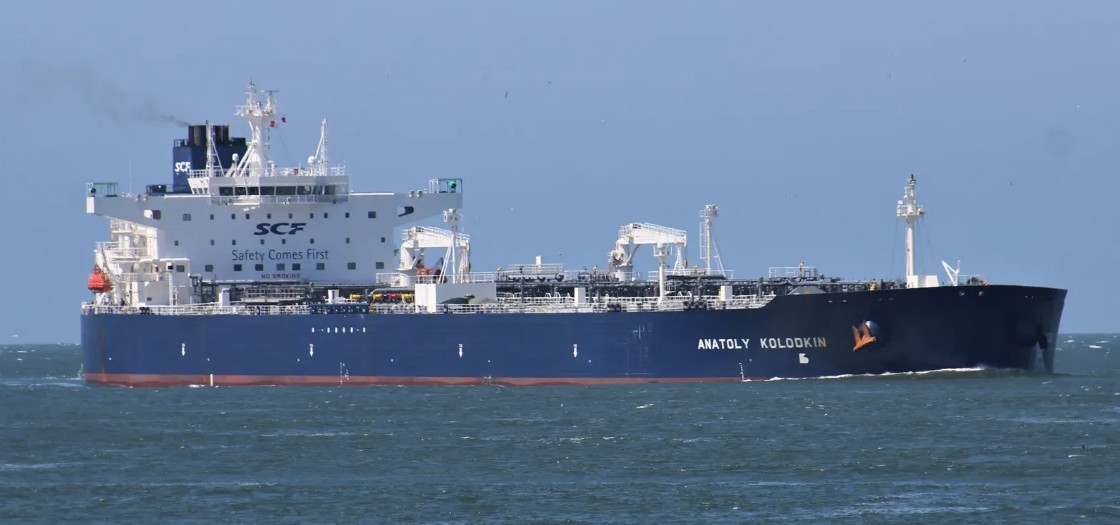
A Russian-flagged tanker, Anatoly Kolodkin, has completed a high-risk voyage from Primorsk to Cuba, carrying approximately 650,000–730,000 barrels of Urals crude. The vessel entered Cuban waters and is expected to discharge at Matanzas, marking the island’s first crude import in over two months.
The movement comes despite an active US-led fuel restriction regime targeting Cuba’s oil supply chain. The shipment effectively tests enforcement limits, as Washington signalled conditional tolerance amid humanitarian concerns linked to Cuba’s ongoing energy crisis.
Operationally, the voyage highlights a growing pattern of sanctioned or politically exposed cargo flows continuing via alternative routing and diplomatic cover.
Cuba’s fuel shortage—driven by halted Venezuelan supplies and tightening sanctions—has already triggered nationwide blackouts, aviation disruptions, and industrial slowdown.
Operational implications:
Sanctioned cargo movement remains active under geopolitical exceptions
Russian supply chains are increasingly filling gaps in restricted markets
Enforcement inconsistency introduces routing ambiguity for carriers
Caribbean energy flows may see short-term stabilization but remain fragile
The development underscores a broader shift: energy logistics is now being shaped as much by political signalling as by commercial viability.
Popular Posts


Explore Topics



Comments