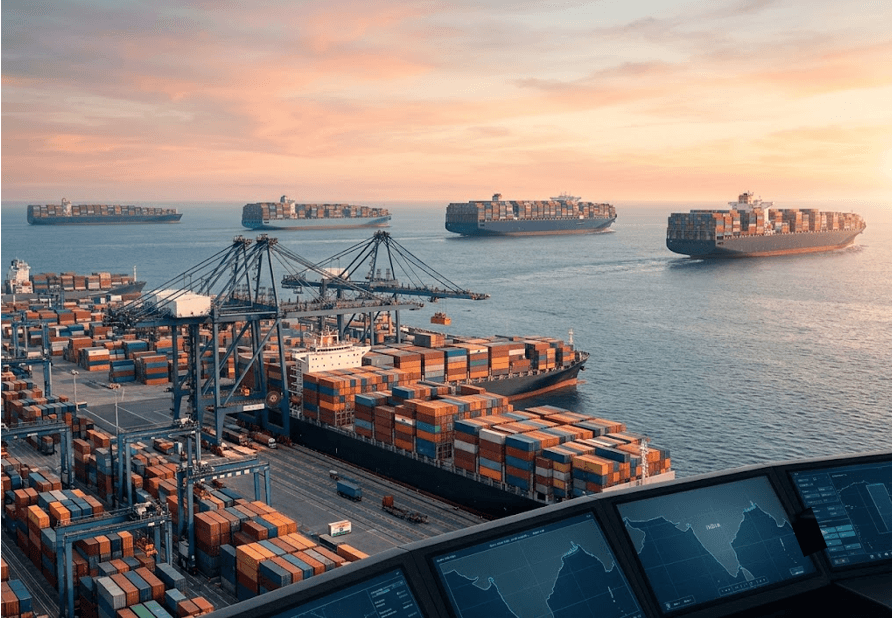
Hormuz diplomacy reshapes global energy trade as Iraq and Pakistan strike Iran transit deals
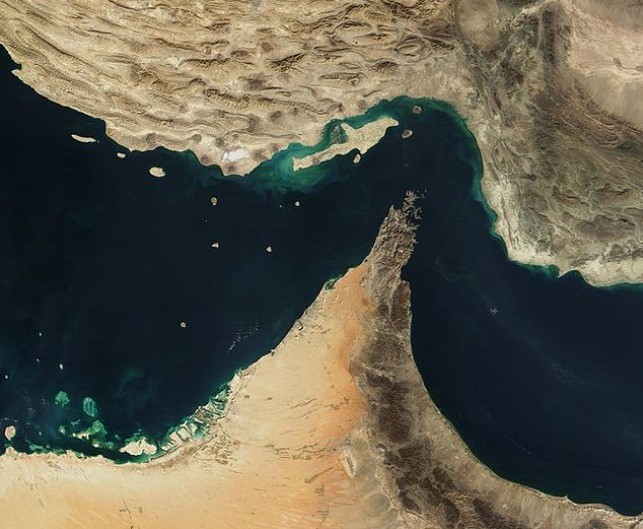
The Strait of Hormuz is rapidly shifting from a global shipping chokepoint into a controlled geopolitical corridor.
In a major development for global energy markets, Iraq and Pakistan have reportedly reached separate transit arrangements with Iran to move crude oil and LNG cargoes through the Strait of Hormuz amid the ongoing regional conflict and shipping disruptions.
The move highlights Iran’s growing influence over one of the world’s most critical maritime routes, through which nearly 20% of global oil and LNG trade normally passes.
Iraq secures tanker passage through Hormuz
According to Reuters and gCaptain reports, Iraq negotiated safe passage for two VLCC crude tankers carrying around 2 million barrels each through Hormuz after severe disruptions impacted Gulf exports.
Iraq remains heavily dependent on oil revenues, with nearly 95% of government income linked to crude exports. Any prolonged disruption in Hormuz directly threatens the country’s economic stability.
Iran has reportedly requested detailed vessel documentation, cargo specifications, and routing information for ships transiting through designated maritime corridors supervised by Iranian naval forces.
Pakistan receives Qatari LNG through Iran-approved routes
Pakistan has also secured LNG deliveries from Qatar through Iranian-approved shipping lanes as the country faces rising summer power demand and fuel shortages.
The LNG carrier Mihzem successfully crossed Hormuz toward Port Qasim, following another vessel, Al Kharaitiyat, which carried over 216,000 cubic metres of LNG from Qatar.
Before the conflict escalation, Pakistan was importing roughly 10 LNG cargoes per month from Qatar. However, rising geopolitical tensions and soaring spot LNG prices forced Islamabad to seek alternative arrangements to maintain energy security.
Oil and LNG prices surge as Hormuz traffic collapses
The shipping crisis has sharply disrupted tanker movement across the Gulf.
Reports indicate vessel traffic through Hormuz has dropped to nearly 5% of normal levels, while global crude shipments have fallen significantly since the conflict intensified.
The impact on energy markets has been immediate:
Brent crude prices have surged more than 50%
LNG prices in Asia and Europe have jumped 35–50%
Bunker fuel costs have spiked sharply across major shipping hubs
A new energy trade order may be emerging
The bigger story is not just the crisis itself — but what comes after it.
Iran is increasingly moving from attempting to block Hormuz toward regulating and monetizing access to it. Analysts now warn that temporary wartime arrangements could gradually evolve into a semi-permanent regional shipping framework.
Several countries are reportedly exploring similar transit agreements with Tehran as energy security concerns intensify.
For global shipping and energy markets, this could become one of the most significant geopolitical shifts since the Red Sea crisis began.
Because the future battle may no longer be about closing chokepoints.
It may be about controlling who gets permission to use them.
Popular Posts


Explore Topics



Comments