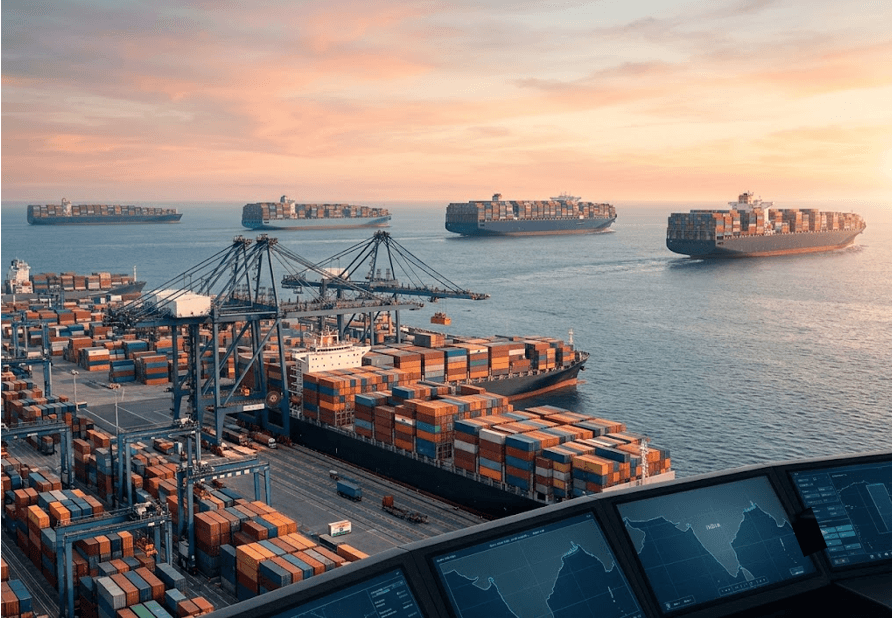

Russia has reportedly equipped one of its strategically important LNG carriers, Marshal Vasilevskiy, with heavy machine guns while operating in the Baltic Sea, signalling a significant shift in the security posture of commercial shipping. Photographs released by Estonian border authorities show weapons mounted on the vessel's bridge wings, along with fortified firing positions, making it one of the first known cases of a civilian LNG carrier being visibly armed. Recent reports suggest the weapons are likely 12.7 mm Kord heavy machine guns, capable of engaging drones and small surface craft. Analysts believe the move is intended to deter boarding operations and protect the vessel from potential attacks.
The Marshal Vasilevskiy plays a critical role in supplying LNG to Russia's Kaliningrad exclave, reducing dependence on pipeline gas that transits through Lithuania. Its strategic importance has increased as NATO has intensified surveillance, inspections and sanctions enforcement across the Baltic Sea, while several suspected Russian "shadow fleet" tankers have been detained by European authorities this year.
The development highlights how geopolitical tensions are reshaping commercial shipping. Energy carriers transporting critical cargo are increasingly viewed as strategic infrastructure rather than ordinary merchant vessels, blurring the line between civilian shipping and national security.
LogisticsWall Insight
The arming of a commercial LNG tanker is more than a military story—it signals a new operational risk for the maritime industry. Shipowners, insurers, charterers and ports may need to prepare for an environment where merchant vessels operating in geopolitical hotspots require enhanced security measures, higher insurance premiums and closer naval oversight. As global trade routes become more contested, maritime security is rapidly becoming as important as freight economics.
Popular Posts

Explore Topics



Comments