
Ports, power, and pressure: how China turned ship inspections into a geopolitical weapon at Panama
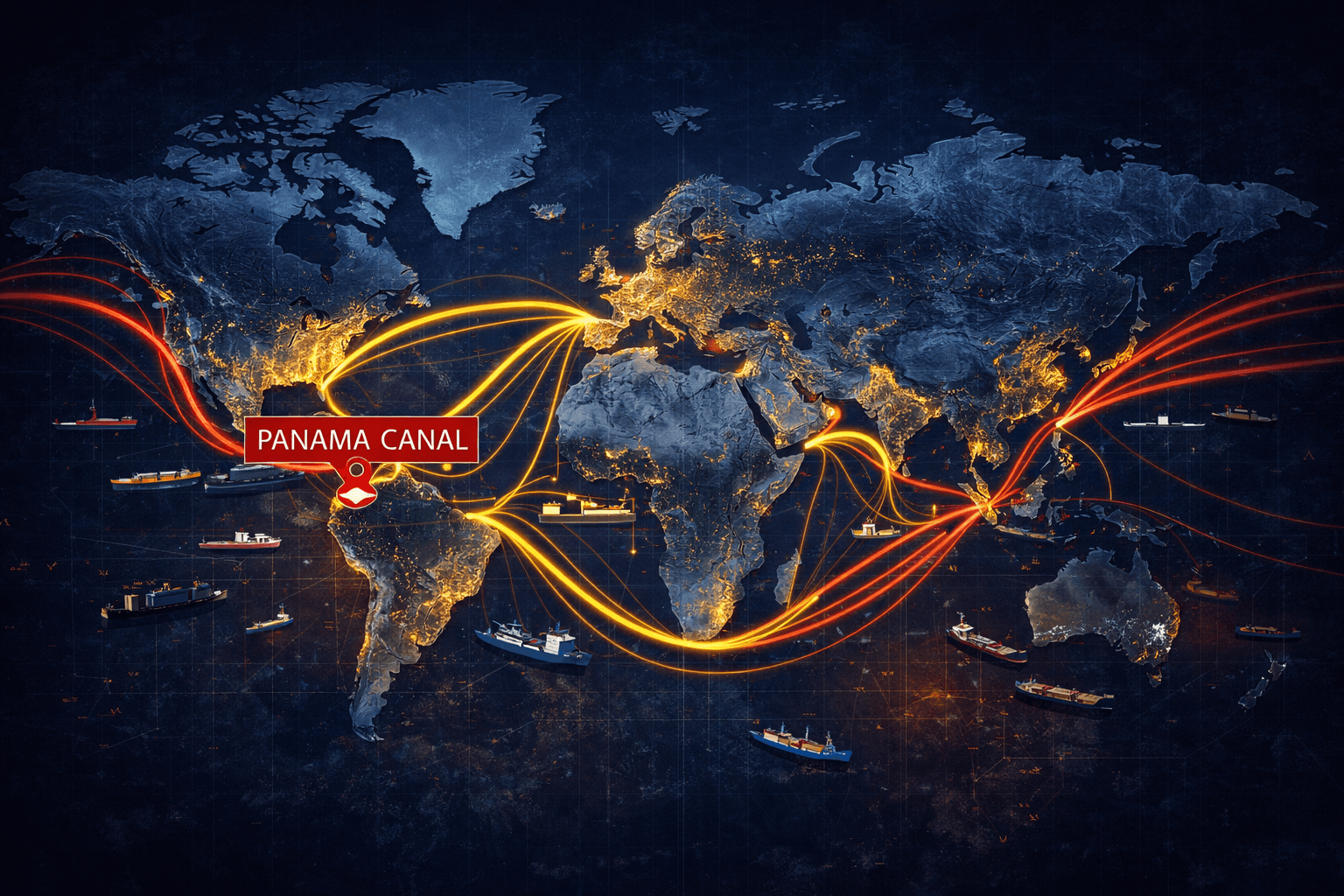
A growing maritime dispute between China, Panama, and the United States is now spilling directly into vessel operations — with ship detentions emerging as a new pressure tool.
The trigger was a January 2026 ruling by Panama’s Supreme Court, which cancelled a long-standing concession held by Hong Kong-based CK Hutchison to operate the Balboa and Cristóbal terminals at the Panama Canal.
The decision, widely seen as influenced by U.S. strategic pressure to limit Chinese presence near the canal, led to the entry of U.S.-linked operators such as APM Terminals and MSC’s Terminal Investment Limited.
China reacted sharply — and not just diplomatically.
The escalation: from warning to operational disruption
Within weeks of the ruling, Chinese authorities began intensified inspections and detentions of Panama-flagged vessels calling at Chinese ports.
Around 28 vessels detained in just 5 days (March 8–12)
Representing over 75% of all detentions in that period
Far above historical norms, where such spikes were rare
By late March, the number of affected vessels reportedly approached ~70 ships, raising alarm at the U.S. Federal Maritime Commission (FMC).
Crucially, these were not seizures — but deliberate delays through extended inspections, enough to disrupt schedules and increase costs.
Why Panama matters: the hidden backbone of global shipping
The escalation is not random. It targets one of shipping’s most critical pillars:
Panama operates one of the world’s largest ship registries
Thousands of vessels globally sail under the Panama flag
The Panama Canal handles ~5% of global maritime trade
This means - Targeting Panama-flagged vessels - targeting global shipping indirectly
China’s move is therefore not about individual ships — it is about system-level pressure.
A new tactic: port state control as geopolitical leverage
Historically, port state control (PSC) inspections were used for:
Safety compliance
Environmental checks
Technical verification
But this incident signals a shift:
PSC is now being used as a geopolitical tool
Evidence suggests:
Verbal directives were issued to intensify checks
The first week was treated as a “trial phase”
Further escalation was expected if tensions continued
This marks a critical transition:
From trade war - to supply chain interference
Popular Posts


Explore Topics


Comments