
MSC’s 45-year bet on Nigeria Snake Island port - A new West African container hub emerges
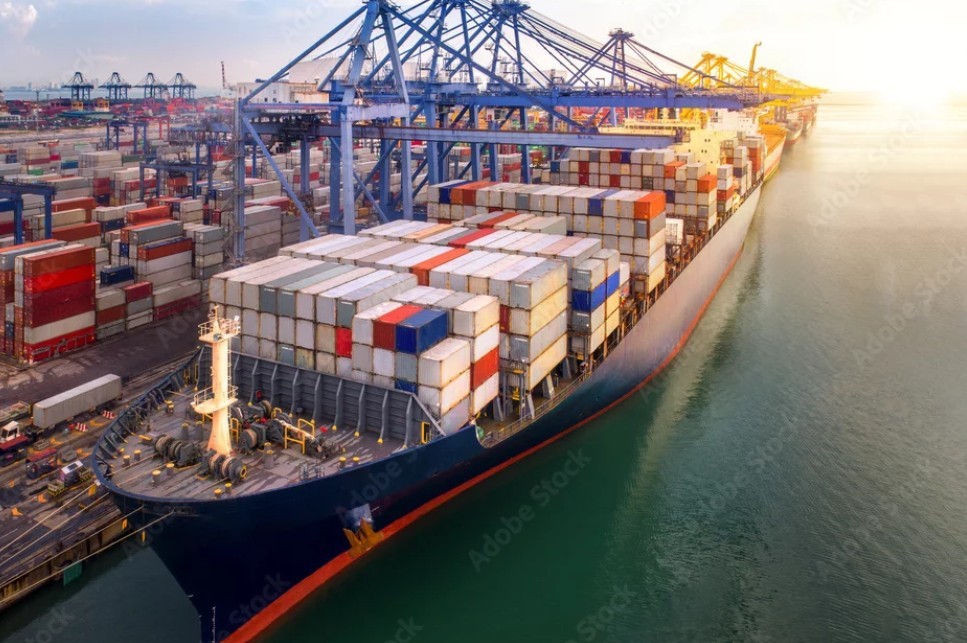
World’s largest shipping line Swiss shipping giant Mediterranean Shipping Company has secured a 45-year concession to develop and operate a dedicated container terminal at Snake Island Port through a partnership with Niger dock. The project is part of a broader $1 billion investment plan aimed at expanding port and logistics infrastructure in Nigeria and strengthening West Africa’s container gateway.
The terminal will occupy about 30 hectares and include a 910-metre quay equipped with ship-to-shore cranes and mobile harbour cranes capable of handling both deep-sea container ships and barge traffic. The initial channel depth is planned at 16.5 m, with potential dredging to 18 m to accommodate larger container vessels.
Infrastructure will include six STS cranes, two main ship berths and three barge berths, enabling efficient handling of regional feeder traffic and inland barge distribution.
Based on comparable quay length and yard size, the facility could handle roughly 1–1.5 million TEU annually in its mature phase, positioning it among the larger container terminals in West Africa.
Trade routes likely to used
The new terminal is strategically located in Lagos, allowing it to serve multiple maritime corridors:
Asia – West Africa trade lane (China, India, Southeast Asia cargo)
Europe – West Africa routes
Mediterranean – West Africa services
Regional feeder connections to smaller ports in Ghana, Benin, Togo and Cameroon
The design allowing deep-sea vessels and barges also means the terminal could support inland container movements through Nigeria’s coastal and river transport network.
The terminal will compete with several established container hubs in West Africa, including:
Apapa Port
Tin Can Island Port
Port of Tema
Port of Lomé
These ports currently handle a significant share of regional container traffic, especially transshipment volumes moving along the Gulf of Guinea.
For MSC, the investment offers several advantages:
Nigeria is the region’s largest economy and a major import market. A long-term concession secures MSC’s presence in a fast-growing trade region. The terminal can function as a hub connecting MSC’s global services with regional feeder networks across West Africa. Lagos ports have historically suffered from congestion. A modern facility could ease container backlogs and improve cargo flow.
The terminal, expected to be completed around 2028, aims to transform Snake Island into a major container gateway for the Gulf of Guinea. This will give more growth to MSC, lets see what future brings.
Popular Posts


Explore Topics



Comments