
The recent escalation in the Middle East has taken a serious turn, not just in terms of military confrontation but in how energy infrastructure is being pulled into the conflict. What makes this situation different is that oil and gas assets are no longer being treated as untouchable—they are now part of the strategic playbook.
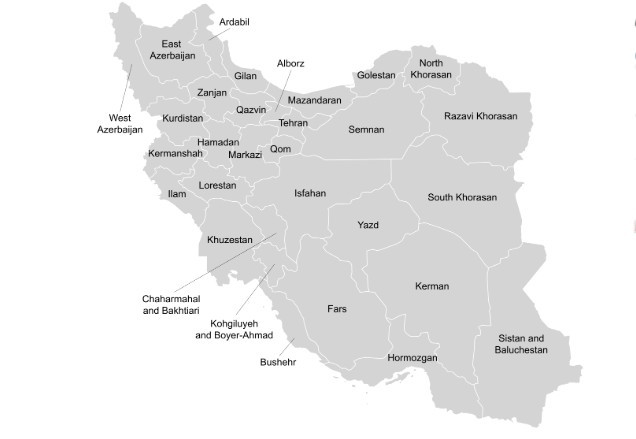
The United States carried out a strike on Kharg Island, a location that handles the majority of Iran’s crude exports. Interestingly, while multiple military targets were hit, oil infrastructure itself was reportedly avoided. This suggests a calculated approach—apply pressure, but stop short of triggering a full-scale global oil shock.
That restraint did not fully carry forward. Soon after, Israel targeted Iran’s energy-linked assets, including a strike connected to the South Pars gas region. Even if not directly aimed at crude exports, the signal was clear: weakening Iran’s energy backbone is now a viable strategy.
Iran’s response followed a very different logic. Instead of limiting retaliation to direct adversaries, it expanded the conflict across the Gulf. Targets reportedly included critical infrastructure in Qatar, Saudi Arabia, and the United Arab Emirates. This was less about immediate damage and more about sending a message—that any attack on Iran could disrupt the entire regional energy ecosystem.
This shift introduces a new layer of complexity. For years, there was an informal understanding that major oil facilities would remain off-limits because of their global importance. That line now appears blurred. At the same time, there are conflicting signals. Israel has since indicated that oil facilities are not intended targets, which points to possible pressure from the United States to prevent the situation from spiraling into an uncontrollable economic crisis.
From a market and logistics standpoint, the implications are immediate. The Strait of Hormuz and the Fujairah–Khor Fakkan corridor have become high-risk zones again. War-risk premiums for tankers are rising, and even without a full blockade, the perception of risk alone is enough to disrupt flows. For countries dependent on Gulf oil and LNG, even small interruptions can have outsized effects.
What stands out most is the strategic shift. This is no longer just about territory or military dominance. It is about revenue, supply chains, and leverage over global markets. Energy infrastructure is being used both as a pressure point and as a signal.
Looking ahead, the situation is unlikely to de-escalate quickly. The more probable path is controlled escalation—limited strikes designed to send messages without crossing red lines that would trigger a wider war. But that balance is fragile. A single miscalculation, especially involving a major oil terminal or shipping lane, could push oil prices sharply higher and create a ripple effect across global trade.
For anyone in logistics or commodities, this is not just another geopolitical headline. It is a developing risk that can directly impact freight costs, routing decisions, and supply reliability. The conflict has effectively turned the region’s energy network into a strategic battleground, and that changes how the entire system behaves.
Popular Posts


Explore Topics


Comments