
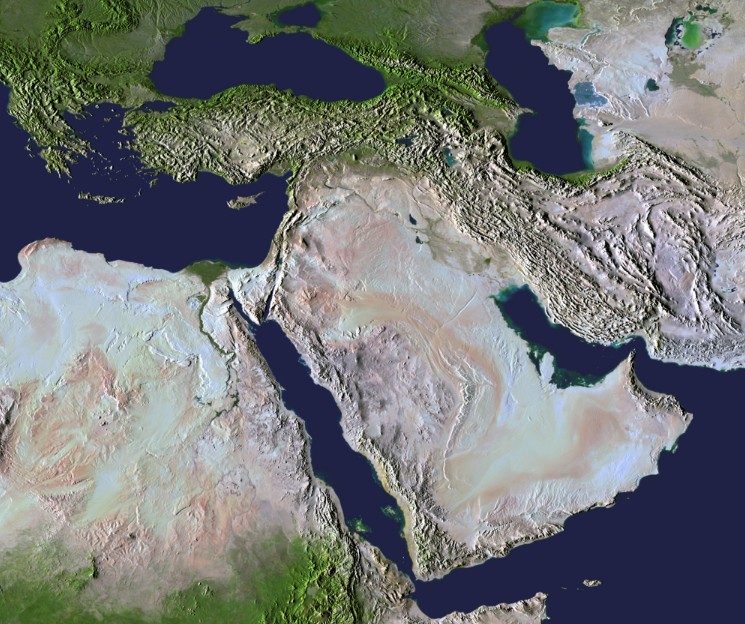
Escalating military tensions in the Middle East are severely disrupting commercial shipping through the Strait of Hormuz and the Red Sea, two of the world’s most important maritime trade corridors connecting Asia, Europe and the Gulf.
The conflict involving Iran and regional powers has triggered missile, drone and naval drone attacks targeting merchant vessels and energy infrastructure, forcing shipping companies to review transit plans through the region. Reports indicate that at least 17 commercial vessels have been attacked across the Gulf, Strait of Hormuz and Gulf of Oman since early March 2026, highlighting the growing security risks for commercial shipping.
The situation has sharply reduced traffic through the Strait of Hormuz, which normally handles around 20% of global oil shipments, making it one of the most strategic energy chokepoints in the world.
Several vessels have continued limited transit under heightened security conditions. The Aframax crude tanker Karachi, operated by Pakistan National Shipping Corporation, recently sailed from Abu Dhabi’s Das Island through the strait while broadcasting its position, becoming one of the few foreign vessels to openly transit the waterway during the conflict.
At the same time, container shipping lines are increasingly avoiding the Red Sea corridor. Major carriers including Maersk, Hapag-Lloyd, and CMA CGM have diverted multiple services away from the Suez Canal and Bab el‑Mandeb Strait, routing vessels around the Cape of Good Hope to reduce exposure to regional security threats.
For example, Maersk has rerouted services such as the ME11 and MECL routes, with vessels including Maersk Hamburg, Maersk Huacho, and Maersk Detroit scheduled to sail via the Cape of Good Hope instead of the shorter Suez route.
Industry estimates suggest that over 170 container vessels with a combined capacity of about 450,000 TEU have already been displaced or rerouted, while Asia–Europe voyages are being extended by up to 10 days due to the longer Cape of Good Hope route.
The disruptions are beginning to impact global supply chains, with higher freight rates, rising war-risk insurance premiums and growing congestion at alternative transshipment hubs across the Middle East and Mediterranean.
The evolving security situation continues to create uncertainty for shipping operators, energy traders and cargo owners relying on these critical maritime corridors.
Please follow us for further update.
Popular Posts


Explore Topics



Comments