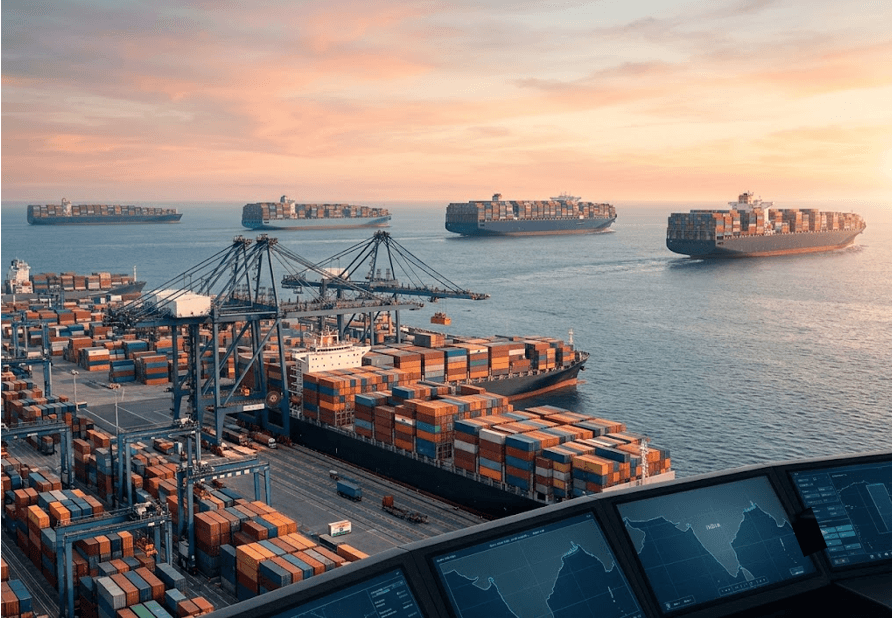

Miami's booming superyacht industry has transformed the city into one of the world's leading luxury boating destinations—but beneath the glamour lies a growing environmental and maritime challenge.
According to reports, Miami Beach authorities have removed around 140 abandoned and derelict vessels since October, while many more remain partially submerged or drifting across Biscayne Bay. These abandoned boats pose navigation hazards, leak fuel and oil into the water, and can break free during storms, damaging nearby docks and waterfront properties.
The paradox stems from the post-pandemic boating boom. Florida is home to approximately 1.2 million registered recreational boats—the highest in the United States—while Miami-Dade County alone has around 73,000 registered vessels, including nearly 5,000 boats over 40 feet long. At the same time, an influx of billionaires and superyachts has driven marina fees, storage costs, insurance premiums and maintenance expenses sharply higher, making boat ownership increasingly unaffordable for many middle-class owners.
When maintenance costs become overwhelming, some owners simply abandon their vessels. Over time, these boats sink, become environmental hazards and require costly removal by local authorities.
LogisticsWall Insight
The story highlights an often-overlooked side of maritime infrastructure: growth without supporting capacity creates waste. As luxury yachts occupy premium marina space, smaller recreational vessels are increasingly priced out, creating a new challenge for ports, municipalities and marine salvage operators. Miami's experience shows that maritime expansion isn't just about building bigger marinas—it also requires sustainable vessel disposal, affordable storage and stronger end-of-life management for aging boats.
Popular Posts


Explore Topics


Comments