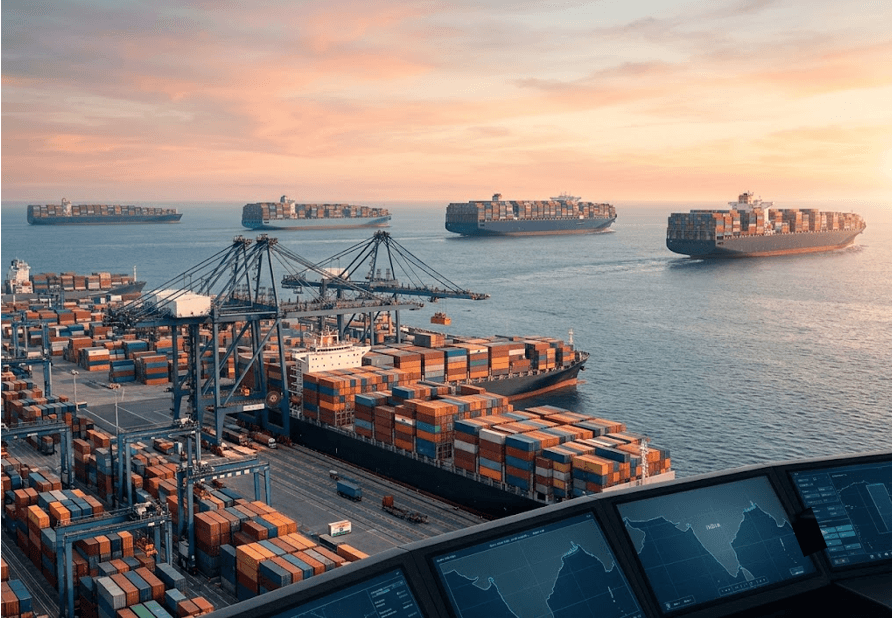
Maersk's first Made-in-India container order signals a shift in global container manufacturing

Global shipping leader Maersk has placed its first order for 1,000 Made-in-India steel containers with DCM Shriram International Ltd (DSIL), marking an important milestone in India's effort to build a domestic container manufacturing industry.
The order comes at a time when China accounts for nearly 96–97% of the world's dry cargo container production, with manufacturers such as CIMC, CXIC and Singamas dominating the global market. The COVID-19 pandemic exposed the risks of this concentration after severe container shortages disrupted global supply chains and increased freight costs.
India is now attempting to diversify global container manufacturing. The Government has announced a ₹10,000 crore Container Manufacturing Assistance Scheme in Union Budget 2026, targeting an annual production capacity of around one million TEUs. The Ministry of Ports, Shipping and Waterways is also expected to finalise the container manufacturing policy by August 2026, with incentives likely for greenfield plants capable of producing at least 100,000 containers annually.
Indian manufacturers are rapidly expanding capacity. JSW Group has announced plans to enter container manufacturing by leveraging its integrated steel production, while companies including DCM Shriram are developing containers that meet global shipping standards. The availability of domestically produced Corten (weathering) steel, robotic welding, automated painting lines and quality testing facilities is helping build an integrated manufacturing ecosystem.
Despite the progress, challenges remain. Manufacturing a standard container in India is estimated to cost 30–40% more than in China, with production costs roughly US$1,000 higher per container. Government incentives are expected to narrow this gap and improve the competitiveness of Indian manufacturers.
Maersk's order represents more than a procurement decision—it validates India's manufacturing capabilities and could encourage other global shipping lines to diversify their sourcing beyond China. As domestic capacity expands and policy support strengthens, India is positioning itself as an emerging alternative in the global container manufacturing industry.
Popular Posts

Explore Topics



Comments