
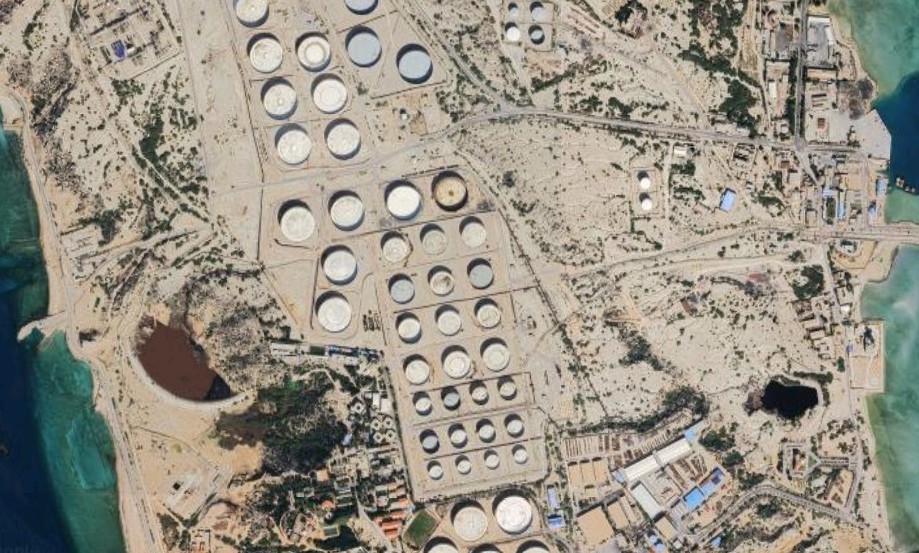
The United States carried out precision strikes on military facilities on Kharg Island during the night of 13–14 March 2026, escalating tensions with Iran amid the broader regional conflict - According to statements by president Donald Trump. The war is expected to escalate further as Iran has crossed the point of return for a negotiation.
Kharg Island is the central hub of Iran’s oil export network. Located in the northern Persian Gulf, the island handles around 90% of Iran’s crude oil exports, making it the most critical node in the country’s energy logistics system. The terminal is capable of loading up to 6–7 million barrels of crude per day, although recent exports have averaged roughly 1.3–1.6 million barrels per day due to sanctions and market constraints. The facility also includes large storage tanks with an estimated capacity of about 30 million barrels, along with tanker loading jetties and pipeline connections to onshore oil fields.
Despite the strategic importance of the site, the U.S. operation deliberately avoided oil storage tanks and loading terminals. Instead, strikes reportedly focused on air-defense systems, military infrastructure, and security installations used to protect the island – as per president Donal Trump. Analysts believe this limited targeting was intended to pressure Tehran while avoiding an immediate disruption to global crude supply, which could trigger sharp price spikes.
Iran’s economy remains heavily exposed to oil exports despite years of sanctions. The country’s nominal GDP is estimated at roughly $400–450 billion, and crude exports provide a major source of foreign currency earnings, often generating tens of billions of dollars annually. Because the majority of these exports pass through Kharg Island, any sustained damage to the terminal could effectively halt Iran’s overseas oil shipments.
Following the strikes, Iranian officials warned of retaliation against U.S. interests and energy infrastructure across the region. Tehran signalled that oil facilities in Gulf states hosting U.S. forces could become potential targets if Iranian energy infrastructure is attacked directly. In the immediate aftermath of the Kharg Island operation, regional tensions intensified, with reports of missile and drone activity near U.S. positions in the Middle East.
The strike underscores the strategic role of oil logistics in geopolitical conflict. By targeting military installations around Kharg Island without destroying export facilities, Washington demonstrated its ability to threaten Iran’s most important economic asset while still leaving room for escalation control. However, the situation remains volatile: any direct attack on Iran’s oil export infrastructure—or Iranian retaliation against regional energy facilities—could disrupt shipping routes in the Persian Gulf and trigger significant turbulence in global oil markets.
Popular Posts


Explore Topics



Comments