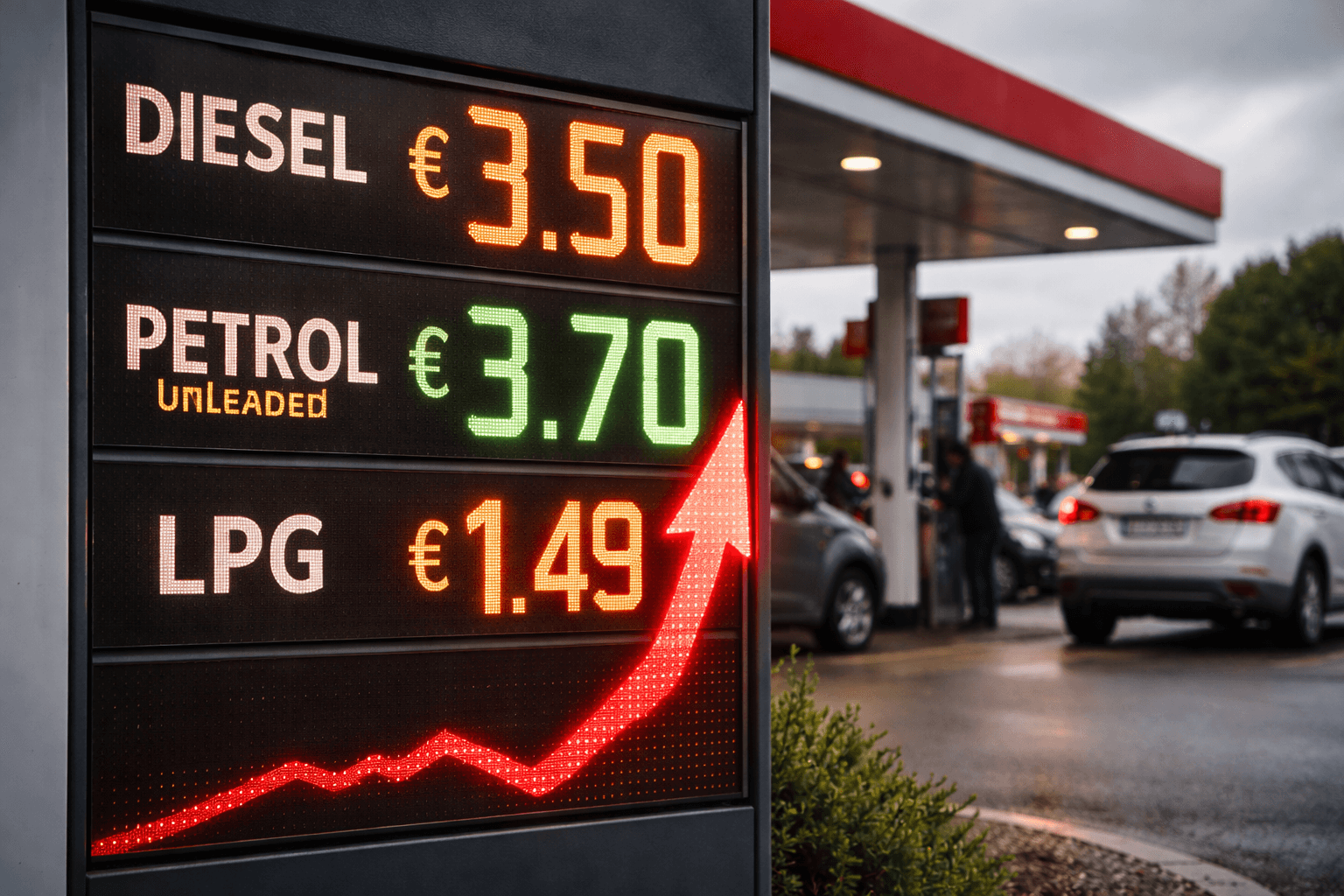
Europe’s energy landscape is facing one of its most severe shocks in years as two major sources of gas — Russian pipeline deliveries and Qatari liquefied natural gas (LNG) exports — have effectively been cut off. The combined effect of these disruptions threatens to upend Europe’s gas market, sending prices sharply higher and exposing deep vulnerabilities in the region’s energy security.
1. Qatar’s LNG shutdown: A major global supply disruption
In early March 2026, Qatar suspended LNG production at its giant export facility in Ras Laffan after an Iranian drone attack on gas infrastructure. Qatar’s LNG output accounts for around 20% of the world’s liquefied gas exports, making it one of the biggest suppliers to international markets. The halt in production caused European gas prices to spike — up more than 50% in a single day — and triggered a broader sell-off in energy markets.
Ras Laffan’s LNG flows normally pass through the Strait of Hormuz, a narrow and crucial shipping route. Interruptions in that waterway mean tankers can’t deliver cargoes to buyers in Europe and Asia, tightening supplies everywhere. Even if Qatar resumes production within weeks, the immediate absence of such a large volume creates intense competition for LNG on the global market — pushing prices higher.
2. Russia’s Gas cutoff: A structural shift in Europe’s supply mix
Separately, Russia has been winding down deliveries of pipeline gas to Europe, a policy driven by wider geopolitical conflict. In early 2026, the European Union formally approved a plan to phase out all Russian gas imports — both pipelines and LNG — by 2027 as part of its drive to reduce energy dependence on Russia’s state-controlled energy sector.
This phase-out means traditional deliveries of Russian gas — once a backbone of Europe’s energy system — have sharply declined, leaving the bloc more reliant on alternative supplies such as LNG from Qatar, the U.S., and other producers.
Why Europe is feeling the pain more than others
Europe went through a deep energy crisis after Russia invaded Ukraine in 2022, which already weakened its access to Russian gas. The continent responded by building LNG import terminals and diversifying supply, with Qatar becoming a key partner. But that strategy relied heavily on continuous flows from outside the region.
Now with both Russian pipelines effectively offline and Qatari LNG exports paused, Europe’s gas market faces simultaneous demand pressure from:
• Low storage levels – Europe emerged from winter with inventories unusually small, meaning it needs steady imports to refill them ahead of next winter.
• Intensifying global LNG competition – Asian buyers, who traditionally buy most Middle Eastern LNG, will compete fiercely for spot cargoes if Qatar’s output remains constrained.
• Shipping bottlenecks around Hormuz – the impairment of tanker traffic compounds the supply shortage and raises insurance and freight costs.
As a result, European benchmark gas futures — the price traders pay for future deliveries — soared to their highest levels since the EU’s previous energy crisis in 2022.
What past disruptions tell us
Experts warn this isn’t a temporary blip but a structural risk. LNG markets are less flexible than oil — LNG cargoes require specialized facilities and long shipping times. A significant cut in global supply, even over weeks, can push prices far above current peaks and strain economies that rely on natural gas imports.
Popular Posts

Explore Topics


Comments