
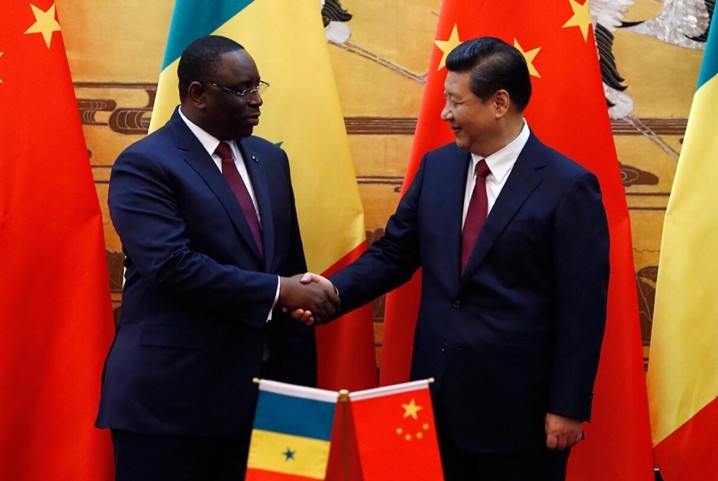
Recently China announced that it would implement zero tariffs on imports from 53 African countries starting May 1, 2026, it was presented as a historic gesture of solidarity with the developing world.
But in global trade, nothing is ever just goodwill. Is this a genuine opportunity for Africa?
Let’s understand this
The Policy at a Glance
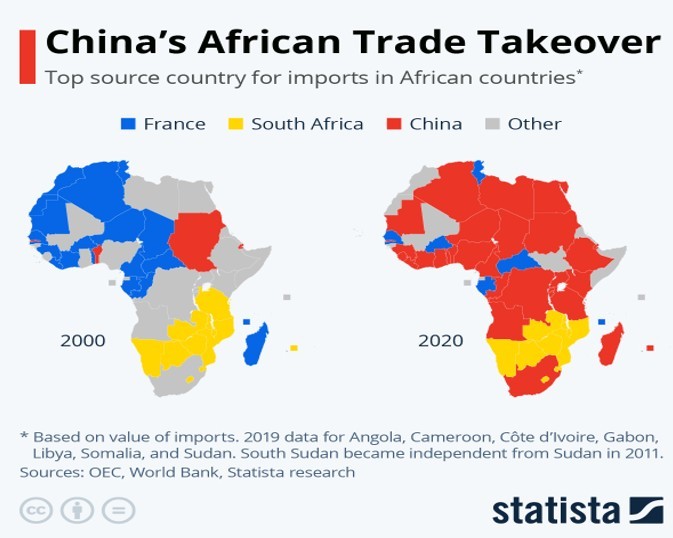
China will eliminate import duties on almost all products from 53 African nations that maintain diplomatic ties with Beijing. The only exception is Eswatini, which recognizes Taiwan.
But here’s the reality check:
China-Africa trade reached roughly $280–300 billion in 2024
Africa accounts for less than 5% of China’s total global trade
Most African exports to China are raw materials (oil, copper, cobalt, iron ore, agricultural commodities)
Zero tariffs reduce cost barriers — but they don’t automatically change trade structure.
The debt diplomacy question
No discussion of China’s global strategy is complete without mentioning the Hambantota Port case in Sri Lanka.
Sri Lanka borrowed heavily from China to build the port.
When debt repayment became difficult, the port was leased to a Chinese company for 99 years.
Critics called it “debt-trap diplomacy.”
Now imagine this dynamic replicated across infrastructure — ports, railways, mines — across Africa.
Zero tariffs today.
Infrastructure loans tomorrow.
Strategic leverage later.
That’s the concern many analysts raise.
The real risks of over-dependence on China
Trade imbalance risk
Africa exports raw materials.
China exports finished goods.
If this pattern continues, Africa remains a commodity supplier, not an industrial competitor.
Strategic Vulnerability
If a country becomes heavily dependent on one large buyer, it loses negotiating leverage.
Economic dependence often becomes political dependence.
The U.S. factor — Is America pushing countries toward China?
The United States remains the largest global economy and historically dominant trade power.
But recent years have seen Tariff wars / Conditional trade agreements and sanctions.
When Western markets become unpredictable or restrictive, countries naturally look for alternatives.
China steps in with:
Infrastructure financing
Large-scale purchasing
Fewer political conditions
Ironically, some analysts argue that Western protectionism accelerates China’s influence.
When doors close in one direction, countries walk through the open one.
That doesn’t mean China is altruistic — it means geopolitics fills vacuums.
Why China Is doing this now
This move is strategic for several reasons:
Securing critical minerals - Africa is rich in cobalt, lithium, rare earth elements — essential for EV batteries and tech manufacturing.
Expanding Yuan influence and building global South Alliances.
Zero tariffs don’t guarantee development
Removing tariffs is the easiest part of trade reform.
The question is - Can African countries move beyond raw exports?
Can they build manufacturing capacity?
China’s zero-tariff policy is neither pure generosity nor pure exploitation.
It is strategy.
It offers - Lower trade barriers / Larger market access / Short-term export gains
But it also carries Structural imbalance risks / Debt exposure concerns / Long-term dependency questions
The smartest path for African nations is not choosing between China and the United States. It is leveraging both — without surrendering economic sovereignty. In global trade, power doesn’t go to the biggest country. It goes to the country that negotiates smartest.
Popular Posts

Explore Topics



Comments