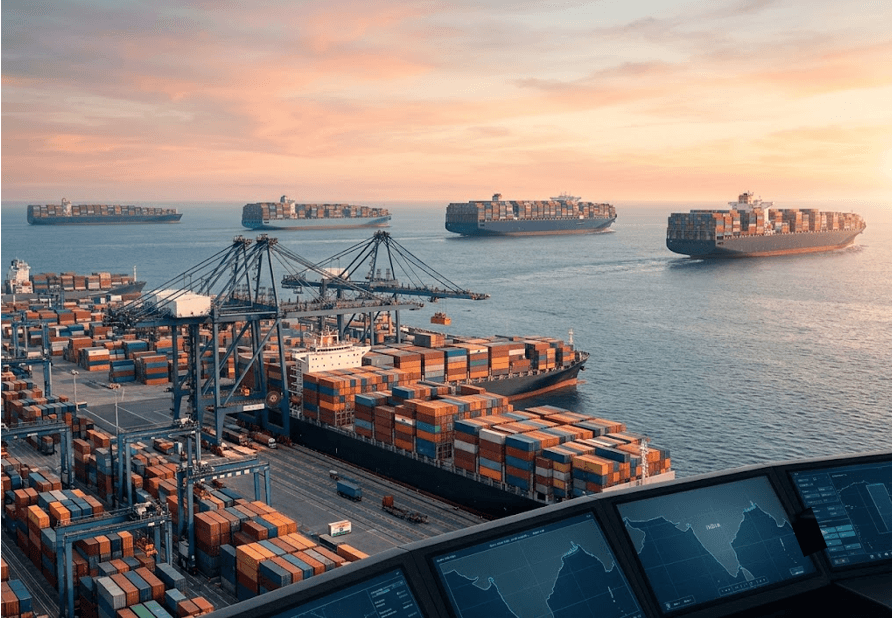

As the Strait of Hormuz gradually reopens, the next challenge for shipowners is not geopolitics—it's biofouling. More than 600 tankers that spent weeks or months at anchor have accumulated thick layers of barnacles, algae and other marine organisms on their hulls, reducing fuel efficiency and increasing operating costs.
Barnacles, marine crustaceans with shells primarily composed of calcium carbonate (CaCO₃), create additional hydrodynamic drag that can raise fuel consumption by 10–30% if left untreated.
The sudden maintenance backlog has boosted demand for underwater hull-cleaning services. Cleaning a VLCC typically requires 4–6 commercial divers, takes around 6–12 hours, and now costs approximately US$5,000–8,000 per vessel, with prices rising due to limited availability of specialist crews.
The episode highlights an important supply chain lesson: every disruption creates new service markets. While global attention focused on oil flows through Hormuz, marine maintenance companies and commercial diving contractors have quietly become some of the biggest beneficiaries of the crisis.
Popular Posts


Explore Topics


Comments