
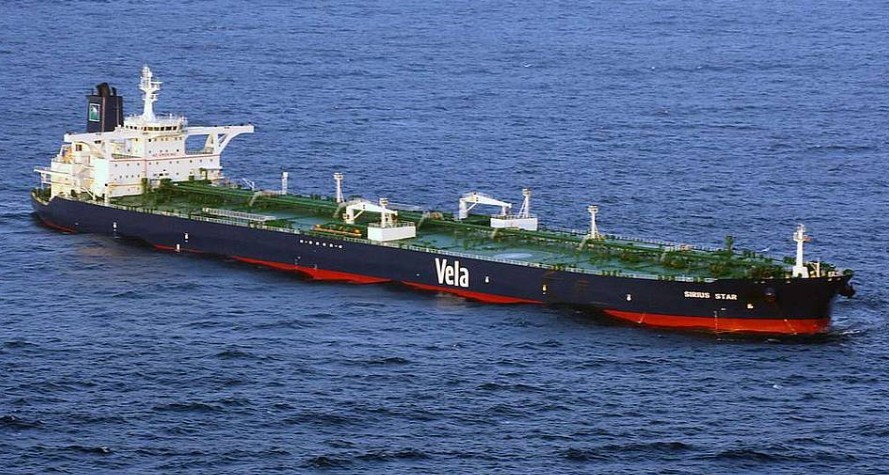
Why VLCC Ocean freight rates have soared and what comes next
In the world of global oil logistics, Very Large Crude Carriers (VLCCs) have taken center stage in early 2026 as freight rates climb to heights not seen in years. Shipowners now wield significant pricing power, reshaping revenue dynamics in the tanker market and potentially locking in strong profits for the year ahead. This shift highlights deeper changes in vessel supply, demand patterns, and geopolitical influences across energy trade routes.
High Rates, Strong Momentum
According to our analysis VLCC rates have rebounded to five-year highs, pointing to robust demand for large crude carriers on major international routes.
Year | Rate Type | Approx. Daily Rate (USD/Day) |
2019 | VLCC Avg Earnings | 50K |
2020 | VLCC Time Charter Avg (1-yr) | 53K |
2022 | VLCC Export Voyage Fee (Baltic-to-India) | 10K |
2023 | VLCC Avg Baltic TCE | 42k |
2024 | VLCC Avg Earnings | 44k |
2025 | VLCC Avg Earnings | 44k |
2025 Q4 | VLCC Avg Earnings | 88k |
2026 (Jan Early) | VLCC Avg Earnings | 72k |
Independent data sources show that:
Benchmark VLCC freight rates on major routes like the Persian Gulf-China corridor have surged sharply in early 2026, with spot indices up by nearly 74% in mid-January compared to early January levels. This reflects renewed trade activity and longer haul voyages.
Time charter rates for scrubber-equipped VLCCs are currently strong, with long-term daily charters holding in the high-$50,000 per day range — much higher than typical historical averages.
Why are the freight soaring ?
Several structural and market trends have combined to push VLCC rates upward:
1. Tight Supply, Strong Demand
Global tanker supply is constrained relative to demand, especially along long-haul routes from the Middle East and Atlantic Basin to Asia. This dynamic has left charterers competing for limited tonnage, driving up spot rates.
2. Fleet Consolidation
Shipowner consolidation, where larger companies acquire multiple vessels and reduce open-market availability, has reduced effective supply and given owners pricing leverage.
3. Geopolitical and logistical influences
Shifts in crude flows — driven by sanctions, trade policy, and rerouting of oil cargoes — have tightened freight availability. Global tensions and sanctions regimes have encouraged some charterers to secure vessels early or commit to longer term charters, reinforcing strong pricing.
4. Return of Longer Routes
European and Asian refineries are drawing crude from further afield, including West Africa and the U.S. Gulf, boosting long-haul demand, which ties up ships longer and elevates ton-mile demand.
What does this means for shipowners and charterers
The recent VLCC market dynamics are reshaping value creation in tanker shipping:
Stakeholder | Impact of high VLCC rates |
Shipowners | Higher daily earnings, stronger balance sheets, asset value appreciation |
Charterers (oil traders) | Increased logistics costs, greater incentive for long-term contracts |
Oil producers | Higher delivered costs to buyers, potential pressure on margins |
Shipping investors | Attractive revenue prospects, potential for dividend growth and capital returns |
Refiners | Elevated transportation costs, potentially squeezing refining margins |
Profits and risks around the corner
For companies heavily invested in VLCC fleets, the current environment presents a rare opportunity. Elevated freight revenues and tight supply bode well for earnings — especially if rates remain high through 2026. A report on crude tanker freight suggests many second-hand VLCCs are now commanding prices near historic highs, driven by the same tight supply fundamentals.
However, strong profits today don’t guarantee future gains:
Market volatility: VLCC markets are cyclical. If crude demand weakens or fleet supply increases via new deliveries, rates could soften.
Geopolitical shifts: Disruptions like Red Sea tensions or shifting trade policies can tighten or loosen freight markets rapidly.
Charterer behavior: More long-term time charters could reduce spot market volatility but might also cap upside for owners if rates peak.
The comeback of high VLCC rates in early 2026 reflects a fundamental shift in tanker economics.
Popular Posts

Explore Topics



Comments