
The USD 8 Billion Shadow Fleet Puzzle: Maritime Oil Revenues and the Risk of Revolution in Iran
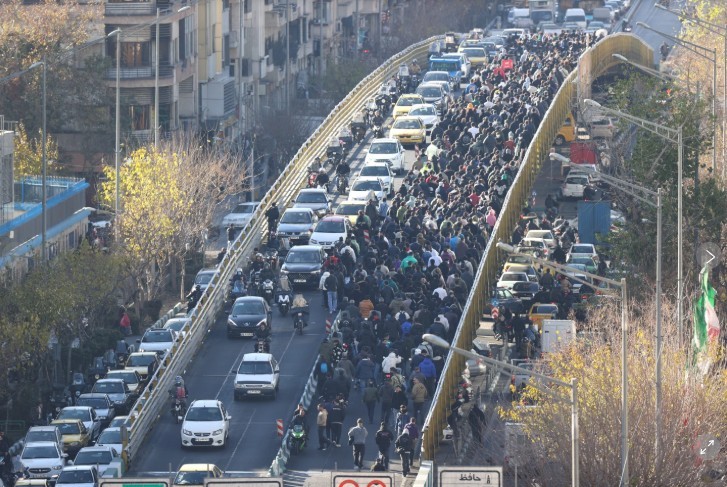
Image credit - https://apnews.com/
There has been a maritime connection with the Iran’s ongoing revolution. Iran’s economy has long relied on oil exports as its primary source of foreign revenue. Historically, oil exports have provided around 70-80% of Iran’s total export revenues — making oil crucial for foreign currency earnings. Iran holds roughly 10% of the world’s oil reserves and 15% of global gas reserves, underlining its energy export potential. Oil exports has been around 7 – 10 % of Iran’s GDP.
However, in recent years, Western sanctions have pushed the country into operating one of the world’s largest shadow tanker fleets, a hidden maritime network designed to bypass sanctions and keep oil flowing to global markets.
According to recent maritime and financial estimates in news, nearly USD 8 billion in oil revenue has gone missing and this missing revenue is now emerging as a serious political issue which is one of the reason for risk of rise in the Iran Revolution.
What Is Iran’s Shadow Fleet?
The shadow fleet—also referred to as the dark fleet—consists of aging oil tankers that operate outside conventional maritime transparency systems. These vessels often:
Switch off AIS transponders
Conduct ship-to-ship (STS) transfers at sea
Change vessel names, flags, and ownership structures frequently
Use opaque insurance and classification arrangements
From Lost Oil Money to Public Anger
Oil revenue funds subsidies, salaries, and essential imports. When billions vanish before reaching the state then Inflation accelerates and social frustration rises which can be seen now.
Historically, economic distress and frustration has acted as a catalyst for civil unrest in Iran. The maritime shadow fleet, once seen as a clever workaround, is now becoming a risk and political liability.
Popular Posts


Explore Topics



Comments