
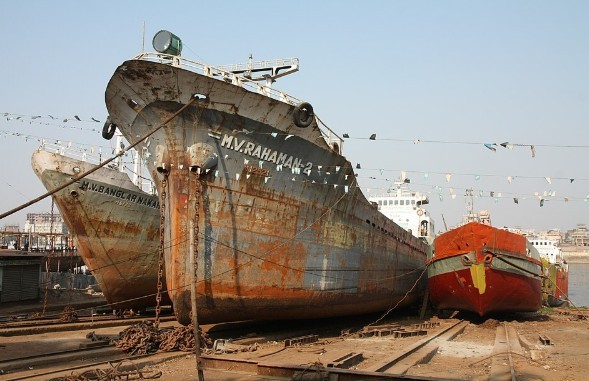
For decades, Alang has served as the final destination for vessels reaching the end of their commercial lives. The Gujarat-based ship recycling hub, regarded as the world's largest, has traditionally acted as a barometer for the health of the global demolition market. Today, however, Alang is sending a very different signal.
Recent reports indicate that vessel arrivals at Alang have fallen to historic lows. While this may appear to be a localized industry challenge, the underlying causes are rooted in broader changes affecting global shipping.
The Red Sea crisis, security concerns around the Strait of Hormuz, and longer trading routes have fundamentally altered vessel economics. Ships that might otherwise have been sent for demolition are continuing to trade because freight earnings remain attractive. Owners are increasingly investing in repairs, maintenance, and retrofits rather than retiring older tonnage.
This trend highlights an important reality: ship recycling activity often declines when shipping markets are strong. Elevated freight rates increase the commercial value of older vessels, delaying demolition decisions and reducing the supply of ships available for recycling.
The slowdown carries implications beyond the maritime sector. Alang supports a large ecosystem of workers, transporters, equipment suppliers, and steel traders. Reduced vessel arrivals mean lower volumes of recyclable steel entering domestic markets and weaker activity across associated industries.
Yet the current downturn should not be viewed solely as a structural decline. The global fleet continues to age, environmental compliance costs are rising, and future decarbonisation requirements will eventually make many older vessels uneconomical to operate. When freight markets normalize, a new recycling cycle is likely to emerge.
For logistics professionals, the lesson is clear. Alang's slowdown is not merely a shipbreaking story—it is evidence of how geopolitical disruptions and freight market dynamics are reshaping decisions across the maritime supply chain. Sometimes the absence of ships can reveal more about global trade than the movement of cargo itself.
Popular Posts

Explore Topics



Comments