
/
Malaysia seizes over $129 million in crude from tankers in suspected illegal transfer operation
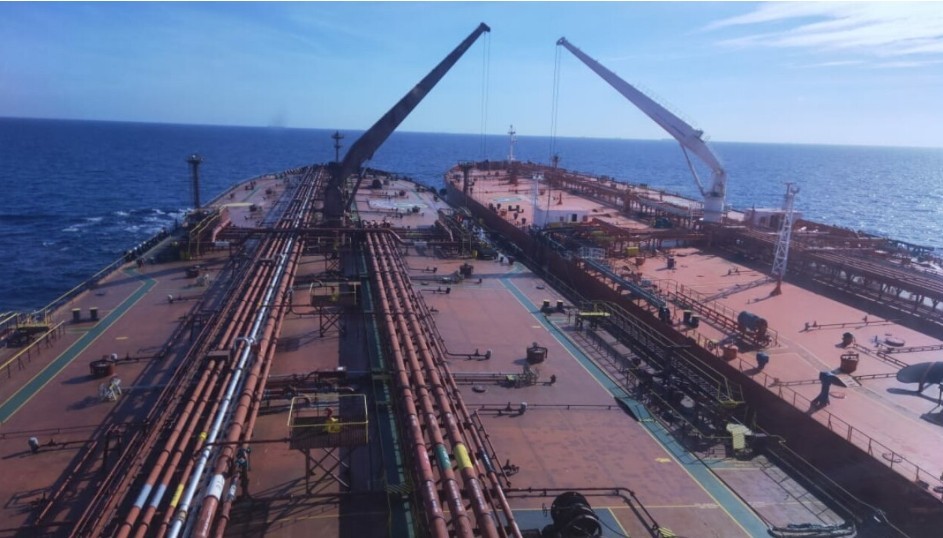
Malaysia has taken decisive action against suspected maritime oil smuggling, detaining two oil tankers and seizing crude oil valued at more than RM512 million (approximately USD 129.9 million) in a major enforcement operation off the coast of Penang.
In the early hours of last Thursday, on 29th Jan 2026, a patrol craft from the Malaysian Maritime Enforcement Agency (MMEA) responded to a tip-off about suspicious activity roughly 24 nautical miles west of Muka Head, Penang. Upon inspection, officers found two tankers moored together in a configuration typical of ship-to-ship (STS) oil transfers — a practice often used to disguise the origin of crude cargoes.
Believing the vessels were engaged in unauthorised oil transfer, authorities detained both ships along with their crews. A total of 53 crew members, hailing from China, Myanmar (Burma), Iran, Pakistan, and India, were taken into custody, and the two ship captains were handed to Penang’s maritime investigators for further questioning.
The detained vessels are now under investigation for multiple offences, under Malaysia’s Merchant Shipping Ordinance:
Anchoring without permission - this violation that may carry fines up to RM100,000 per vessel.
Illegal ship-to-ship transfer activities – this is punishable with fines up to RM200,000 per vessel.
Authorities have not yet disclosed the exact origin or intended destination of the seized oil, but maritime customs enforcement is seen as a key step in curbing unlawful navigation and trading practices in Malaysian waters.
The stretch of sea off the Strait of Malacca and the west coast of Peninsular Malaysia has long been a hotspot for ship-to-ship oil transfers. While STS operations can be legitimate — often used to improve logistics or avoid port congestion — they can also serve as a loophole for smuggling, evading taxes, or obscuring cargo origins from regulators and sanctions monitors.
In response to rising concerns, Malaysian authorities announced tighter enforcement measures last year to clamp down on unregulated maritime fuel activities. This recent bust highlights the ongoing challenges in maritime security, particularly as global oil markets face shifting sanctions regimes and rising demand for unmonitored crude movement.
Malaysia’s maritime enforcement agencies continue to monitor and patrol key shipping lanes closely. With global shipping traffic increasing and geopolitical tensions influencing energy markets, ensuring transparency and compliance at sea will remain a priority for coastal states throughout Southeast Asia and beyond.
Popular Posts


Explore Topics



Comments