
From Ports to Places - How old shipping containers are becoming sustainable spaces in India
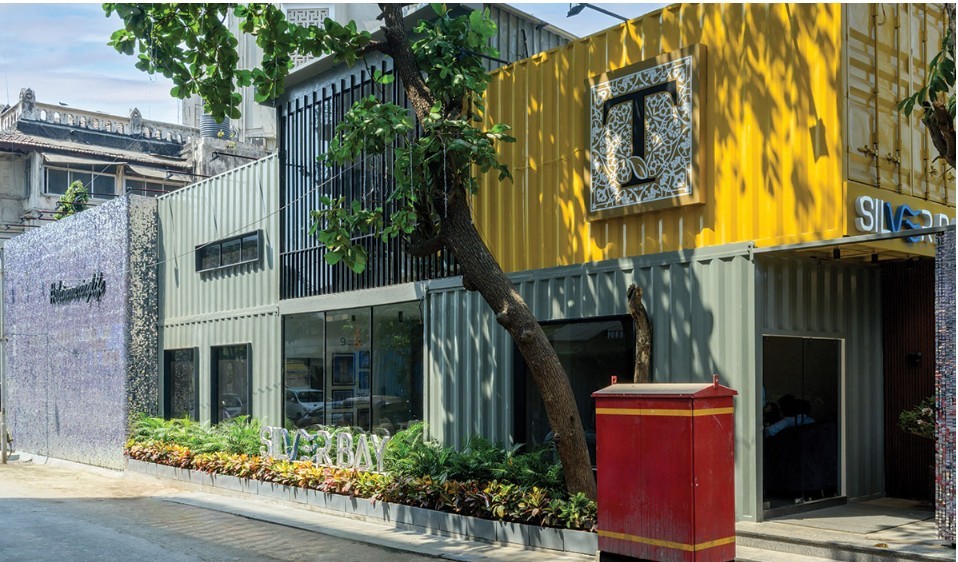
Image credit - MGS Architecture
In this blog we will discuss, how old shipping containers are reused in India.
These containers, once the backbone of global trade, are finding a second life on land, driven by architects like Akash Dudhe of SAGI Architects — proving that sustainability and design ingenuity can go hand in hand.
Why shipping containers? A sustainable building solution
Shipping containers present a compelling alternative to traditional construction materials for several reasons:
Reuse & Reduce Waste
Thousands of used containers sit idle at ports around the world. Repurposing them:
Reduces metal waste
Minimises reliance on new construction materials
Prevents containers from becoming long-term landfill or rusting yards
Using containers supports the 3Rs of sustainability — reduce, reuse, recycle — while giving them a functional second life.
Quick Construction
Because containers are prefabricated and modular, structures can be assembled rapidly — a significant advantage when time and cost are critical.
Durable & Transportable
Originally designed to withstand harsh marine conditions, containers are inherently:
Strong and weather resistant
Easy to transport
Flexible in layout and assembly
This makes them ideal for projects on leased land, temporary sites, or remote locations.
Meeting the architect: Akash Dudhe & his green vision
Architect Akash Dudhe, founder of SAGI Architects in Mumbai, has championed container-based architecture since 2014, combining sustainability with modern design.
Dudhe’s approach isn’t just about recycling metal boxes — it’s about thinking differently in a country with growing urban pressures and rising building costs. By scouting discarded containers at Nhava Sheva Port (Jawaharlal Nehru Port), India’s largest container handling hub, he reimagines them as buildings that serve real functions and influence how communities interact with space.
Real world examples in India
1. Pratham mini campus — Vocational learning centre, Aurangabad
Commissioned by Pratham, a leading NGO focused on educational equity
Built using repurposed shipping containers
Offers workshops, digital literacy, art activities, and skill training
Designed to be moveable if needed due to its location on leased land
Blends colour, accessibility, and innovative design in a hot, dry landscape
According to project stakeholders, the flexibility of containers, including ease of transport and adaptability on challenging terrain, was a major advantage in meeting community needs quickly.
2. Kailash Parbat restaurant - Khopoli, Maharashtra
Located near Mumbai on the way to a popular theme park, this striking restaurant blends container architecture with aesthetic appeal — a testament to how upcycled materials can create eye-catching commercial spaces.
The restaurant’s bold 40-foot A-frame silhouette and container body invite curiosity and highlight how sustainable materials can be stylish as well as functional.
3. Tiny House - Goa
Taking container reuse into the residential domain, Dudhe and his team also built a tiny house measuring 20×8 feet - a demonstration of how containers can form compact yet fully functional homes.
Despite its size, this tiny house includes:
A living area
Kitchen
Bathroom
Pull-out dining table
Electrical amenities such as inverter and battery backup
This project highlights container villages’ potential for affordable, scalable residential solutions in future urban or rural developments.
How Containers Are Prepared for New Lives
Architects must address a few key technical considerations:
Insulation & Heat Management
Because metal gains heat quickly, containers often require:
Roof and wall insulation (e.g., rockwool + gypsum)
Careful planning for cross-ventilation
Strategic positioning relative to sunlight directions
All of these ensure comfortable interiors even in hot parts of India.
Water Tightness & Leak Prevention
Ensuring roofs and joints are sealed properly is essential for long-term durability — especially during the monsoon season.
Sustainability meets style
Container architecture isn’t just about minimal environmental impact - it challenges the notion that sustainable buildings are boring or basic. Projects by SAGI Architects prove that beauty, colour, and creativity can co-exist with sustainability.
Today, container architecture is gaining acceptance across sectors - educational, commercial, and residential - reflecting a shift toward design that’s responsive to climate, cost, and community needs.
As India continues to urbanise and rethink sustainable living, old shipping containers are proving to be more than recycled boxes, they are building blocks for innovation. Through creative design and mindful reuse, architects like Akash Dudhe are opening new pathways for how we build — reducing waste, embracing adaptability, and turning simple steel boxes into places where people learn, dine, work, and live
Popular Posts

Explore Topics




Comments