
A case study – How a Single Ship Exposed America’s whole supply chain of orange juice under cyber -attack situation
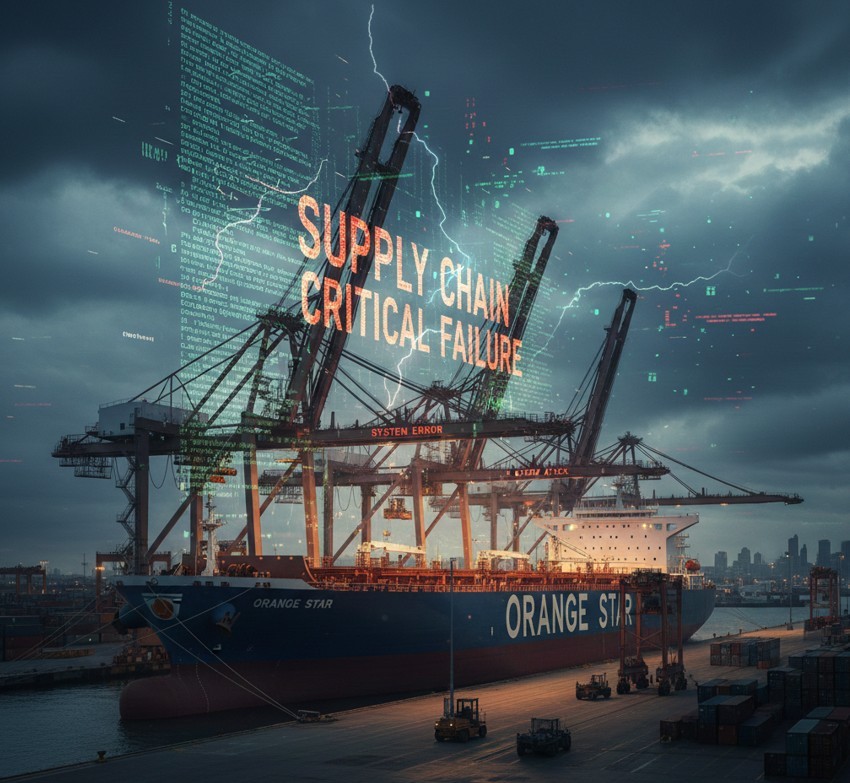
This is an AI generated image
A supply Chain wake up call -
In last two days there has been a popular news floating regarding a ship, Orange Star berthed at Port Elizabeth in New Jersey carrying a large quantity of orange juice concentrate — around 39K cubic meters and same amount is imported to same port during each call each week, the surprising element is that in case this supply line is hampered than whole new Jersey and nearby area will be impacted and approx. 46 million peoples will face the shortage soon after the current stock at retailers are finished in their shops.
The discussion is around the news on this, replicating a situation of how a cyber-attack on the port can stop the complete supply of Orange Juice but on a broader picture it shows how vulnerable is the USA ports systems which depends heavily on digital systems. There were strikes at ports last year were the labour unions defended usage of manual system to avoid job loss.
To understand this we need to analyze the recent cyber-attack on maritime industry: -
In 2024, ransomware hackers targeted the Port of Seattle, demanding $6 million and threatened to leak confidential details.
In 2023, Nagoya port of Japan suffered a ransomware attack and was closed for weeks.
In 2021, South Africa biggest port operator Transnet, suffered a crippling ransomware attack that disrupted the complete supply chain of the country.
90% of employees of maritime industry does not have any training on cyber intrusion.
How USA has ignored the cyber security in recent times
Cybersecurity Information Sharing Act of 2015, was not extended and it lapsed on 30th September 2025. This has created a gap on sharing threat intelligence.
New U.S. regulation, effective since July 2025 make its mandatory that all ~3,000 facilities governed by MTSA (Maritime Transportation Security Act) to have designated cybersecurity officers. But finding qualified professionals who understand this and can bring together both traditional maritime operations and modern digital security is not easy.
Few ports like Manatee port of Florida, has taken proactive cybersecurity steps with fundings granted to then due to their huge business and stronghold, but many smaller ports struggle to find resources to conduct even basic risk assessments.
It was understood during COVID-19 how maritime industry can choke whole country’s supply chain.
What should be done
Cyber training should be included in the training sessions of maritime industry.
Ports should be investing in testing for malware penetration / impact / actions to be taken.
The efforts and fundings needs to come from the government side for a sustainable and safe maritime industry.
Popular Posts

Explore Topics


Comments