
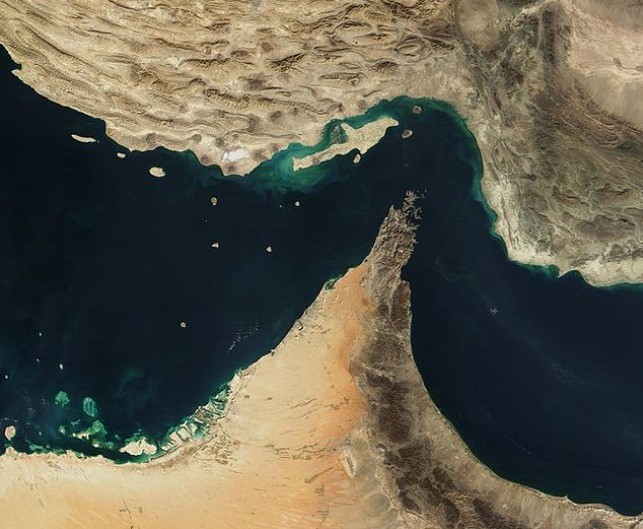
The UAE is accelerating plans to reduce its reliance on the Strait of Hormuz, with major investments planned in Fujairah, Khor Fakkan and other eastern ports located on the Gulf of Oman. The strategy aims to create alternative export corridors outside one of the world's most critical maritime chokepoints.
Currently, the UAE exports a significant share of its crude through the Habshan–Fujairah pipeline, which has a capacity of approximately 1.5 million barrels per day. ADNOC is constructing a second pipeline expected to double Fujairah's bypass export capacity to around 3 million barrels per day by 2027.
The UAE's longer-term objective extends beyond crude oil. Authorities are studying additional pipelines, new port infrastructure, rail connectivity and logistics corridors linking energy facilities to Fujairah, Khor Fakkan and Dibba. If completed, a much larger share of crude, refined products and petrochemicals could move through ports outside Hormuz.
Khor Fakkan is also emerging as a key logistics gateway. During recent disruptions in Hormuz, container traffic and truck movements surged as cargo was redirected through the port, highlighting its growing role in regional supply chains.
For global logistics markets, the significance is clear. While the Strait of Hormuz previously handled roughly one-fifth of global oil and LNG trade, the UAE is positioning its eastern ports to become a permanent alternative route, reducing geopolitical risk and strengthening supply chain resilience for energy-importing nations such as India.
Popular Posts

Explore Topics



Comments