
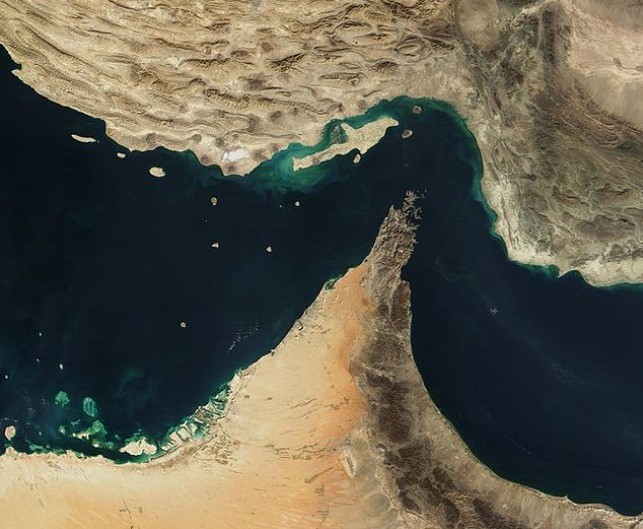
Below is the current situation the Commercial shipping continues to transit the Strait of Hormuz despite elevated geopolitical tensions in the Gulf region. The strategic waterway remains one of the world's most important maritime corridors, handling roughly 20-25% of global seaborne oil trade and a significant share of global LNG exports.
Recent vessel tracking data indicates that tanker movements through the strait have recovered following the temporary disruption caused by regional military tensions. Crude oil tankers, LNG carriers, container vessels and bulk carriers continue to transit the route, although many operators remain cautious and are implementing enhanced security measures.
The Strait of Hormuz connects the Persian Gulf with the Gulf of Oman and the Arabian Sea. Major exporters including Saudi Arabia, Iraq, the UAE, Kuwait and Qatar rely on the passage for energy exports to Asia, Europe and North America. Any disruption to navigation can immediately affect global energy markets, tanker availability and freight costs.
Despite the recovery in vessel movements, maritime risks remain elevated. War-risk insurance premiums have increased, security advisories remain in place and shipowners continue to monitor developments closely. Higher insurance costs and operational uncertainty have already contributed to rising tanker earnings and increased transportation costs for some cargoes.
For the shipping industry, the significance of Hormuz extends beyond oil markets. Disruptions in the region affect vessel deployment decisions, bunker prices, charter rates and overall supply chain planning. The impact is being felt at a time when global logistics networks are already under pressure from China's export peak season and congestion at major transshipment hubs such as Singapore and Colombo.
At present, shipping lanes remain open and commercial traffic continues to flow. However, the situation remains fluid, and the Strait of Hormuz is expected to remain one of the most closely monitored maritime chokepoints during the second half of 2026. Any escalation could quickly affect tanker markets, freight rates and global trade flows.
Popular Posts


Explore Topics



Comments