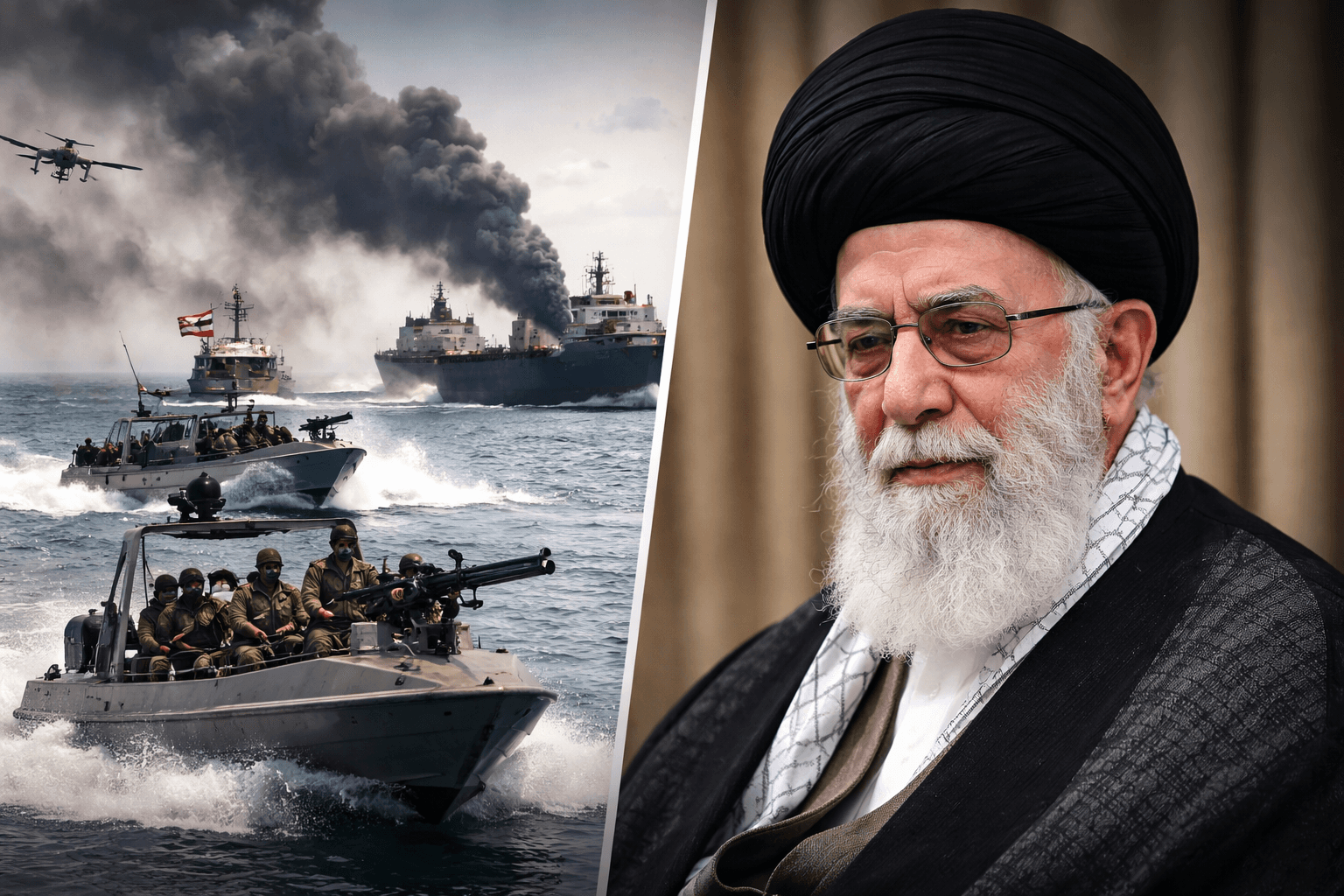
The IRGC warned ships near the Strait of Hormuz that no vessel is permitted to pass, effectively halting maritime traffic through the world’s most strategic energy chokepoint, through which about 20-25%% of global oil and LNG supplies transit daily.
Death of Iran’s supreme leader — Ayatollah Ali Khamenei:
Iranian state media confirmed that Ayatollah Khamenei (86), Iran’s supreme leader since 1989, has died, reportedly after a joint U.S.–Israel military operation struck key targets including his compound in Tehran.
Immediate regional consequences
Political shock, Iranian retaliation & mourning:
Iran has declared 40 days of national mourning and vowed “severe punishment” against those responsible, signalling potential for ongoing military escalation.
What to watch next
Leadership transition in Iran:
Who emerges as the next supreme leader — a cleric aligned with the IRGC, a moderating figure, or a junta-like council — will shape whether tensions spiral or de-escalate.
Status of Hormuz:
If the strait reopens quickly with international naval escorts, markets may calm. A prolonged blockage, however, could cement a global energy shock with inflationary spillovers.
The combination of the reported Strait of Hormuz closure and the death of Iran’s supreme leader has thrown one of the globe’s most sensitive geopolitical fault lines into deep uncertainty, with immediate impacts on energy markets, leadership stability in Tehran, and the broader Middle East security architecture — and with global economic implications still unfolding.
Popular Posts

Explore Topics


Comments