
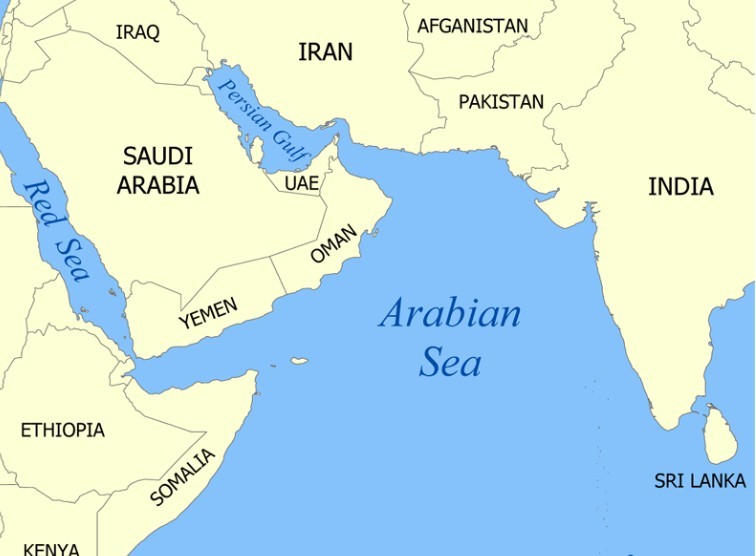
Global shipping giant Maersk has issued its latest “Middle East Operational Update 33,” warning customers that continued geopolitical instability around the Strait of Hormuz, Gulf of Oman, and Red Sea is severely impacting regional shipping operations and global supply chains.
In the advisory released on May 25, 2026, Maersk said the situation in the Middle East remains “highly volatile” and that the company continues to take operational measures to protect crew safety, cargo integrity, and network stability. The carrier confirmed that shipping conditions can change rapidly depending on regional security developments.
The Danish container shipping company has already suspended multiple services connected to the Gulf region in recent months due to security risks linked to the Iran-US conflict. Reuters previously reported that Maersk temporarily halted its FM1 and ME11 services connecting Asia, the Middle East, and Europe as tensions escalated across the region.
According to the latest advisory, several insurance providers have either reduced or withdrawn marine coverage for vessels operating in the Red Sea, Persian Gulf, and Gulf of Oman. This has significantly increased operational risks and costs for shipping lines, especially for vessels entering conflict-sensitive areas.
Maersk also confirmed that emergency freight surcharges linked to Strait of Hormuz disruptions continue to apply under certain cargo diversion and destination-change scenarios. The company stated that cargo rerouting decisions made after containers enter affected regions may attract additional emergency freight costs.
The operational disruption has already reshaped trade flows across the Middle East. Earlier in March, Maersk suspended reefer and dangerous cargo acceptance to several Gulf countries including UAE, Qatar, Bahrain, Kuwait, and parts of Saudi Arabia. The company also halted new bookings between the Indian subcontinent and Upper Gulf markets during peak disruption periods.
To maintain supply chains, Maersk has increasingly relied on alternative land-bridge logistics solutions using ports such as Jeddah, Salalah, Sohar, and Khor Fakkan to move cargo inland across Gulf countries. Reuters reported that these emergency land transport corridors became critical for maintaining food and medicine supplies as maritime traffic through Hormuz declined sharply.
The crisis has also affected vessel schedules globally. Maersk contingency updates show multiple vessels being rerouted via Africa and alternative corridors to avoid high-risk Gulf waters, resulting in longer transit times and rising fuel consumption.
Industry analysts believe the prolonged disruption in the Strait of Hormuz could permanently alter shipping strategies, bunker supply planning, insurance structures, and global trade routing decisions. With nearly one-fifth of global oil shipments moving through the Hormuz corridor under normal conditions, continued instability remains a major concern for the maritime industry.
Popular Posts

Explore Topics



Comments