
War is no longer declared — it is managed.
The current U.S.–Iran conflict is not just another regional war. It is slowly shaping into a multi-theatre power game, where narratives shift faster than troops.
President Donald Trump has floated short-term truces while simultaneously expanding military deployments. This contradiction is not accidental — it reflects a pattern: talk peace, prepare escalation.
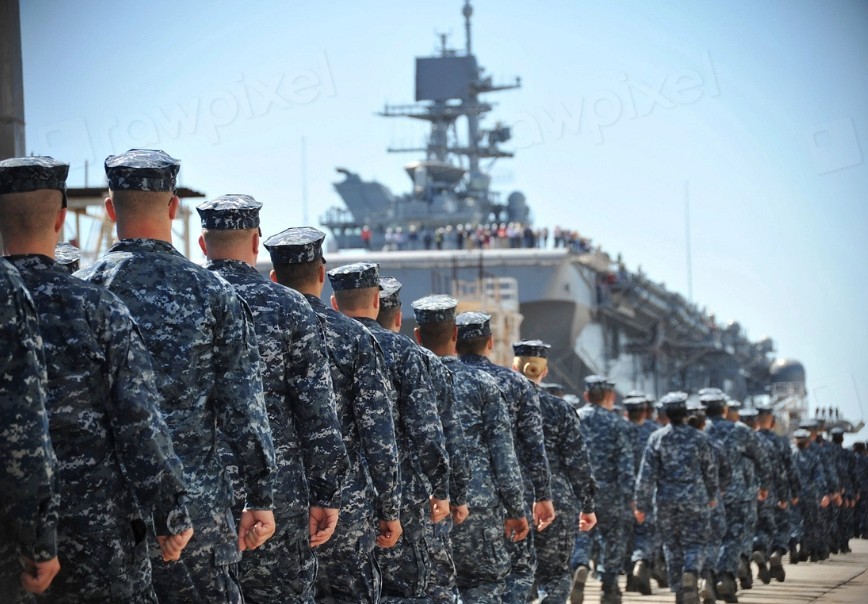
Reports indicate thousands of U.S. troops, including Marines and airborne units, are being positioned across the Gulf, supported by naval strike groups and rapid-response forces.
At the same time, discussions inside the Pentagon suggest diverting military resources away from Ukraine to sustain operations in the Middle East.
This is not de-escalation. This is strategic repositioning.
Ukraine vs Iran: one war funding another
The most telling signal is financial and logistical.
U.S. weapons originally meant for Ukraine are now being considered for the Iran theatre
Ammunition shortages are forcing prioritization
War budgets are being stretched across fronts
This effectively means, the Ukraine war is no longer the primary battlefield
Russia understands this shift better than anyone. Moscow has already begun assisting Iran through intelligence and potential drone transfers.
There is a silent equation emerging:
If the U.S. reduces pressure in Ukraine
Russia can afford to reduce visible support to Iran
But both continue indirect influence
This is not alliance. It is transactional warfare.
China’s strategy: win without entering the war
China is playing a longer game.
No boots on ground
No direct confrontation
But consistent economic and strategic backing
China benefits from:
Distracted U.S. military focus
Rising oil volatility
Fragmentation of Western alliances
This is classic “shadow participation” — shaping outcomes without exposure.
Boots on ground: the most dangerous signal
The real escalation is not speeches — it is movement.
~7,000+ troops already in region, with plans for more
Marine Expeditionary Units moving via naval carriers
Airborne divisions on rapid deployment standby
This level of mobilization is not symbolic.
It is pre-operational staging.
Historically, when logistics align at this scale, outcomes tend to follow.
Trump’s truce narrative: strategy or delay?
The proposed “temporary truce” looks less like diplomacy and more like time-buying:
Time to reposition forces
Time to secure supply chains
Time to test Iran’s response
Iran’s rejection of peace proposals reinforces the idea that both sides are preparing, not negotiating.
In modern warfare, truces are often used not to stop war — but to reshape it.
So, are we heading toward a global war?
Not in the traditional sense.
What is emerging is more complex:
1. Fragmented global conflict
Multiple wars running parallel:
Ukraine–Russia
U.S.–Iran
Proxy tensions in Gulf and beyond
2. Indirect superpower confrontation
U.S. vs Russia (via Ukraine)
U.S. vs Iran (direct)
China vs U.S. (strategic, not military)
3. No single battlefield
War is now:
Economic
Technological (drones, AI systems)
Logistical (supply chains, oil routes)
Iran–Houthi relationship: not alliance, but strategy
Iran and the Houthis are not just “friends.” They are part of a proxy architecture.
Houthis control large parts of Yemen’s Red Sea coastline
Iran provides ideological, financial, and military backing
In return, Houthis act as Iran’s remote strike force
This gives Iran something extremely powerful - Plausible deniability + strategic reach
What is coming is controlled chaos, not world war
The world is not heading toward World War III in the traditional sense. It is moving toward something more dangerous:
A prolonged, controlled instability where no side fully commits — but no side backs down.
The U.S. is overstretched across theatres
Russia is balancing survival with opportunism
China is gaining without firing
Iran is resisting without collapsing
This is not a war to end wars. This is a system where war becomes permanent — but never fully declared.
Popular Posts


Explore Topics



Comments